Latest News: Indian steel sector posts steady growth in H1 FY 2026–27 * Mumbai's Jawahar Dweep becomes India's first plastic-free oil terminal * Indian security forces neutralise Lashkar-e-Taiba Commander, Musa aka Asif Fauji, in an intelligence-led operation in J&K

 Entertainment

The song ‘Naina Ye Barse...’, sung by Lata Mangeshkar for the 1985 film 'Mohabbat', captures a state of love in which the heart is immersed in longing for someone, while circumstances prevent two lovers from coming close to each other, no matter how much they wish to.

Read More

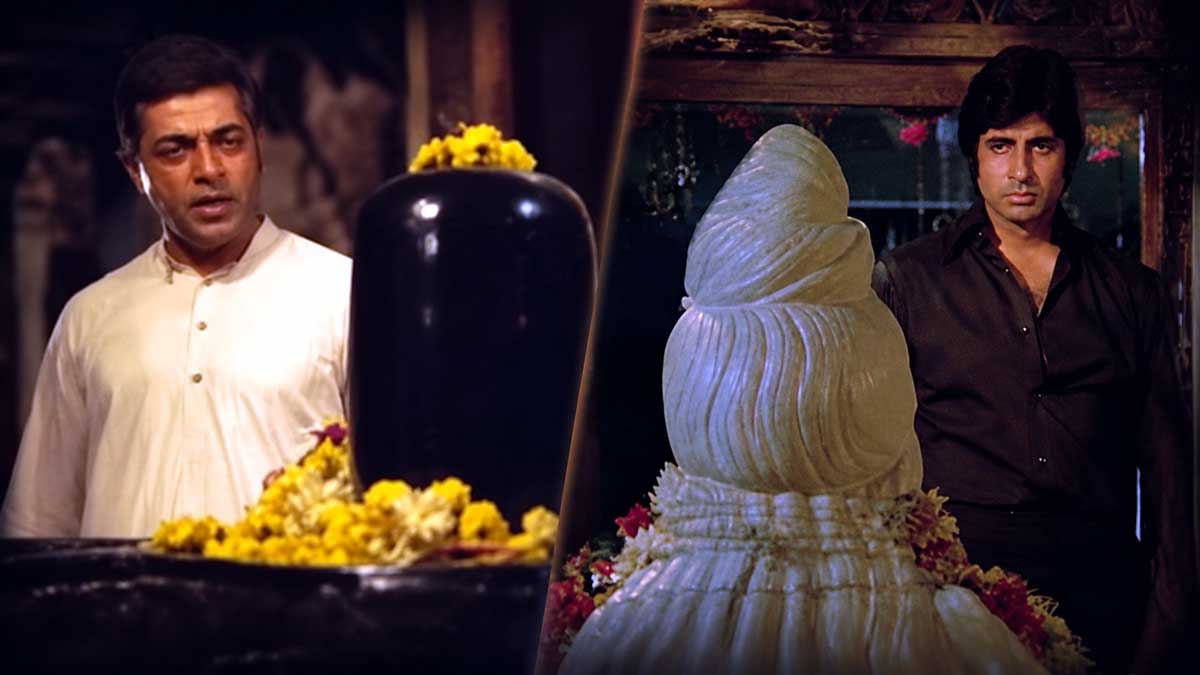
In Bollywood films, faith in God is often expressed through prayers, devotional songs and surrender. Yet there are scenes in which heroes do not bow before their deity but instead question him. They want to know the reasons behind their suffering, seek answers for the injustices they have endured, and sometimes even hold God accountable through their reproaches. Two such scenes stand out in Hindi cinema. One is Amitabh Bachchan’s iconic “Aaj Khush To Bahut Hoge Tum…” scene in 'Deewaar', and the other is the song “Hey Shivshankar…” picturised on Girish Karnad in 'Sur Sangam'. The two scenes are presented in entirely different styles, but both convey a sense of grievance against Lord Shiva.

Read More

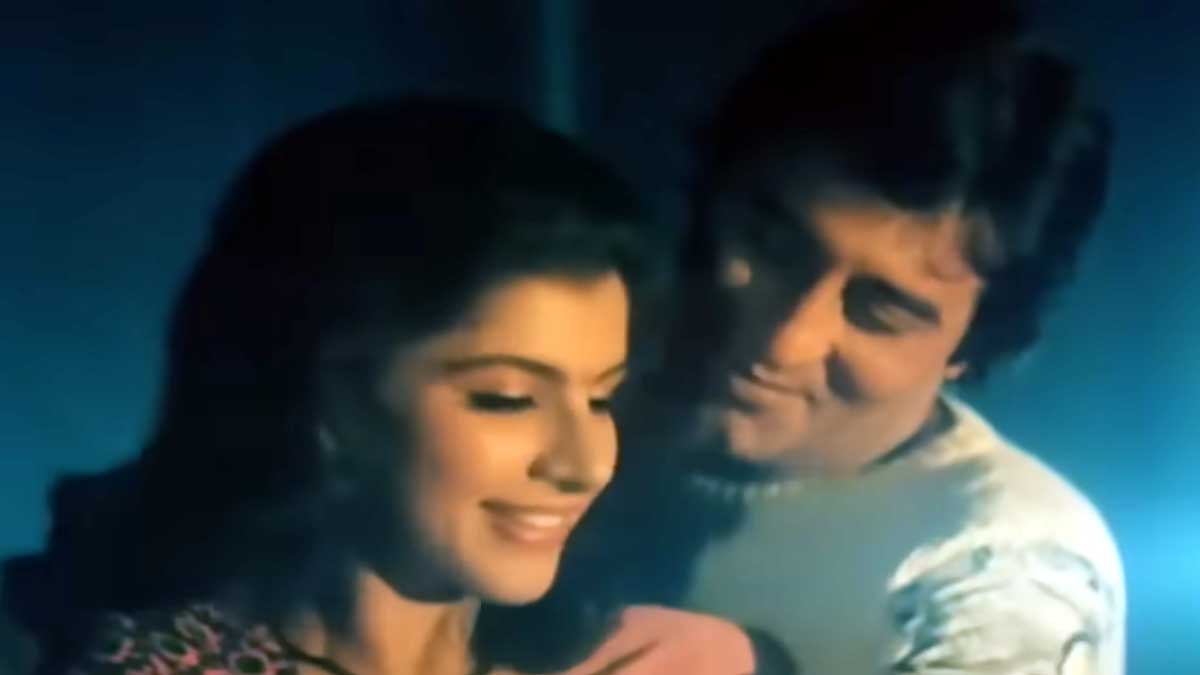
Released in 1987 and directed by Raj N Sippy, the film 'Satyamev Jayate' featured the song ‘Dil Mein Ho Tum...’, which earned a special place in listeners’ hearts through Bappi Lahiri’s music, Farooq Qaiser’s lyrics and the voices of two different singers.

Read More

Some songs express a love story not through its happy moments, but through the memories that remain after separation. In such songs, the absence of a beloved speaks louder than their presence. The song 'Kabhi Tanhaiyon Mein...' from the 1961 film 'Hamari Yaad Aayegi' is a memorable example of this sentiment.

Read More

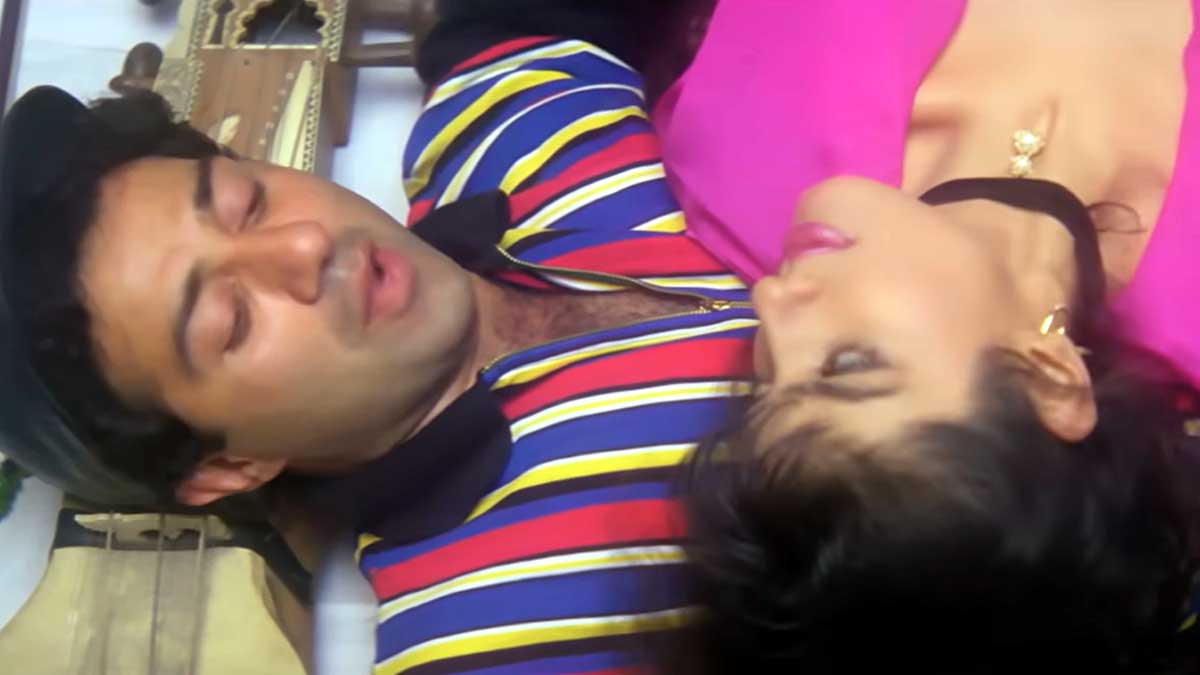
The song ‘Is Tarah Aashiqui Ka...’ from the 1994 film 'Imtihaan' is special not only for its romantic appeal but also for its two distinct versions. One was sung by Amit Kumar, while the other featured the voice of Kumar Sanu. Both versions were used in the film, each picturised on a different character.

Read More

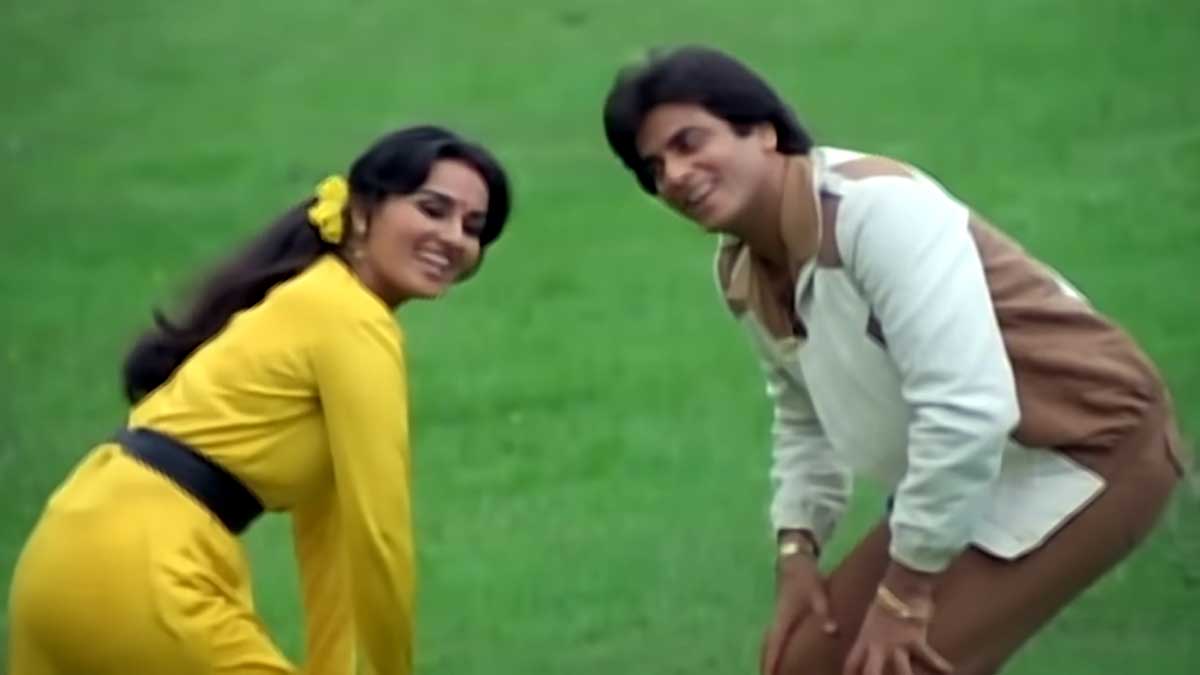
Some Hindi film songs evoke images of lush green mountains, the music of waterfalls and two hearts immersed in love as soon as we listen to them. The song ‘In Haseen Wadiyon Se...’ from the 1981 film 'Pyaasa Sawan' is one such composition. It presents the beauty of nature not merely as something to admire, but as an integral part of the experience of love. The idea of stealing a few stars from the vast sky and carrying away a few beautiful sights from the valleys lends the song a charmingly romantic touch.

Read More

In Indian cinema, certain compositions are used in ways that completely transform the impact of a scene the moment they appear on screen. The ‘Hanuman Chalisa’ is one such composition. In Hindi films, it has sometimes been used to evoke faith amid fear and adversity, while at other times it has been employed to portray the awakening of a character’s inner strength. In some films, its recitation has become an important part of the storyline, while in others, its melody has transformed an otherwise ordinary scene into a memorable cinematic moment.

Read More

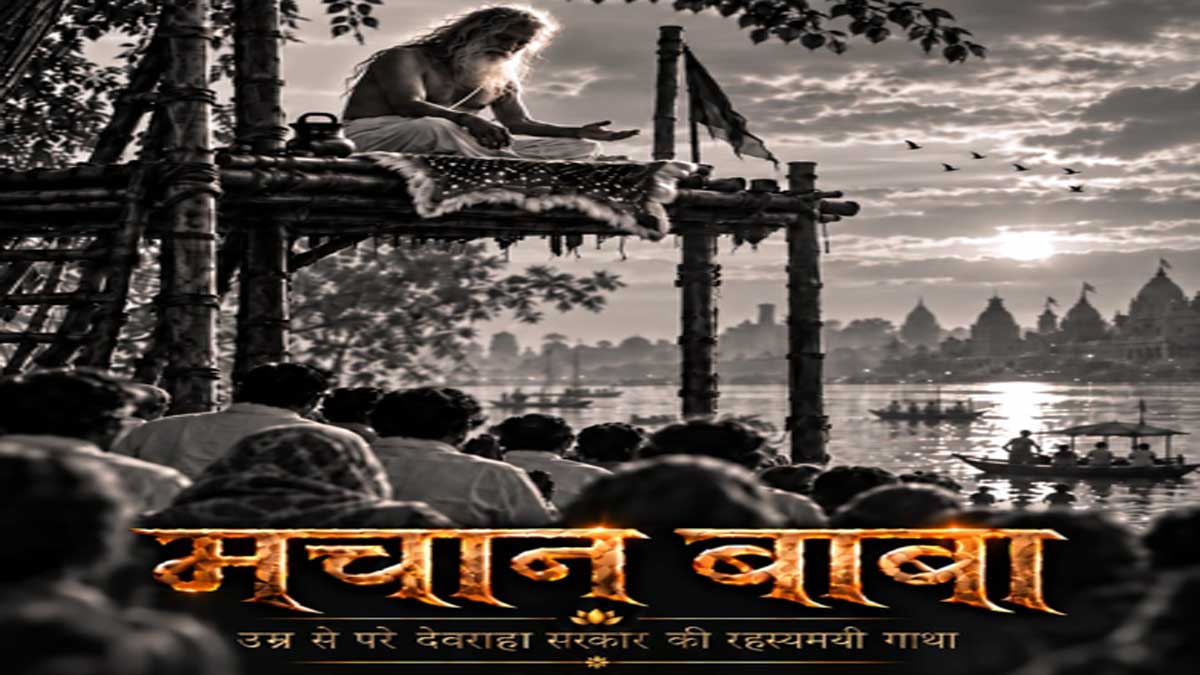
The life of the enigmatic Siddha Yogi Devraha Baba, who had a deep connection with Brajbhoomi and Vrindavan, is now set to come to the big screen.

Read More

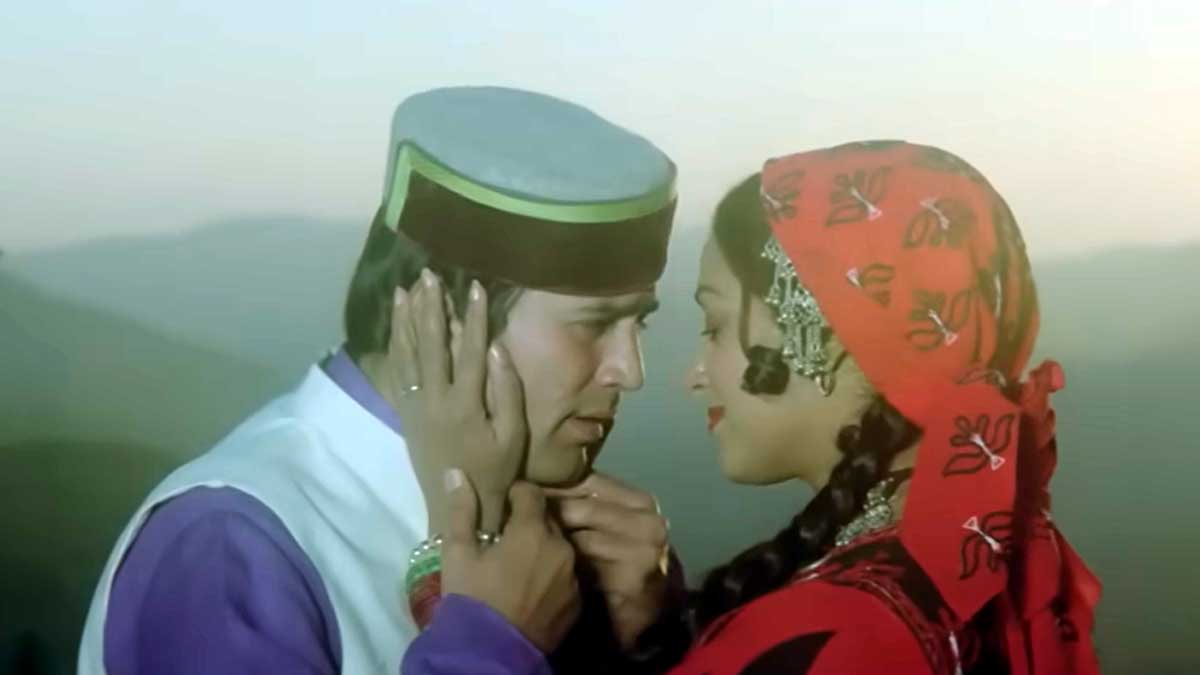
Some songs allow a young person in love to hear the voice of their own heart, while someone who has lived through the experiences of age finds in them the ache of days gone by. The song 'Humein Tumse Pyar Kitna...' from the 1981 film 'Kudrat' belongs to this rare category. Its lyrics convey the depth of love, its melody carries an unspoken restlessness, and its singing has an emotional stillness that connects listeners with their inner selves.

Read More

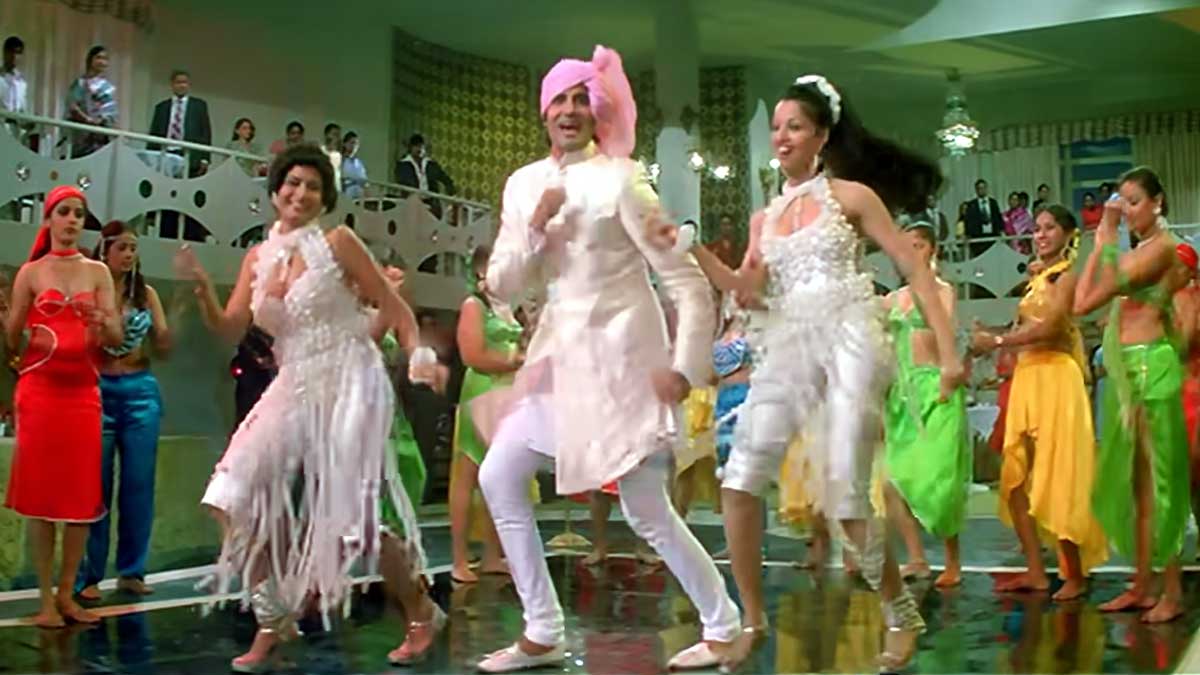
Some songs are not merely heard; they become memories of an era. ‘Pag Ghungroo Baandh…’ is one such song. When this nearly twelve-minute-long song from Prakash Mehra’s 1982 film ‘Namak Halaal’ first appeared, perhaps no one imagined that its blend of classical sargam, disco beats, qawwali influences, dramatic dialogue and Kishore Kumar’s playful voice would create a song that, decades later, would be remembered not merely as an old film song but as a cultural memory.

Read More