
 Dharmendra Kumar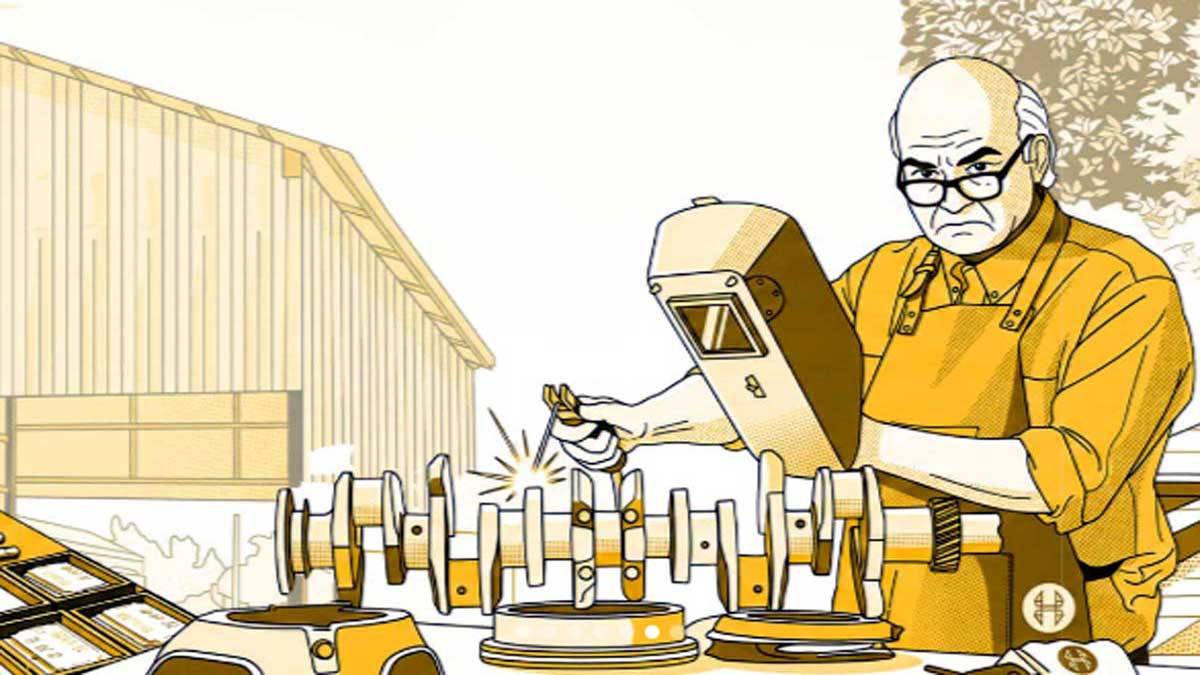
Gopalswamy Doraiswamy Naidu’s business philosophy is a unique milestone in Indian industrial history. In his time, he proved that trade was not merely a means of profit but a way to make society self-reliant. The core of his life was technological innovation, practical education, and social responsibility.
During the British era, when India was heavily dependent on imported machines, Naidu built electric motors and indigenous cars locally, demonstrating that Indian talent was no less than foreign technology. He also manufactured capacitors, resistors, and various electronic components during World War II. His innovations included low-cost radios, agricultural tools, and consumer products. He created voting machines, juice extractors, cotton sorters, coin-operated phonographs, electronic calculators, lathes, projectors, five-valve radios, vending machines, kerosene-powered fans, and distance adjusters for film cameras, everyday products that touched common lives.
Also Read: औद्योगिक और राजनीतिक चुनौतियों का दस्तावेज़ है 'जीडीएन'
Because of these inventions, he was once called the 'Edison of India'. For him, business meant not just profit but public welfare. Discipline and simplicity defined his personality. He believed that even a small mistake could weaken innovation, which is why his machines and institutions became symbols of precision and simplicity. His conviction was that India must develop technological solutions suited to its own circumstances to strengthen self-reliance.
His approach to education was equally practical. He established a Polytechnic and an Industrial School where students worked more with machines and tools than with books. For him, education was not about degrees but about solving real problems. This is why Coimbatore emerged as an industrial hub through his efforts. He demonstrated that even in two years, a well-designed engineering curriculum could train students effectively.
Naidu’s experiments and institutions boosted local industries and transformed Coimbatore into an industrial hub. Yet, during the British regime and later under the Congress government after independence, irregularities in taxation and industrial policies repeatedly obstructed his efforts. Excessive taxation and bureaucratic complexities affected his ventures, making taxation disputes a significant chapter in his life.
Subsequent governments attempted to correct these irregularities through reforms. Several initiatives were launched to promote manufacturing and technological innovation. Challenges remain, but Naidu’s vision continues to inspire policymakers even today.
R Madhavan’s film GDN beautifully brings these aspects of his difficult life to the screen. The film highlights Naidu’s curiosity, discipline, and technological self-reliance. Madhavan fully embodies Naidu’s persona. The first half of the film is particularly powerful, portraying the restless curiosity and experimental spirit of young Naidu. At times, the screenplay merely strings events together, which reduces emotional depth, but Madhavan’s performance compensates for it. Sathyaraj, Priyamani, Dushara Vijayan, and Jayaram add balance to the narrative.
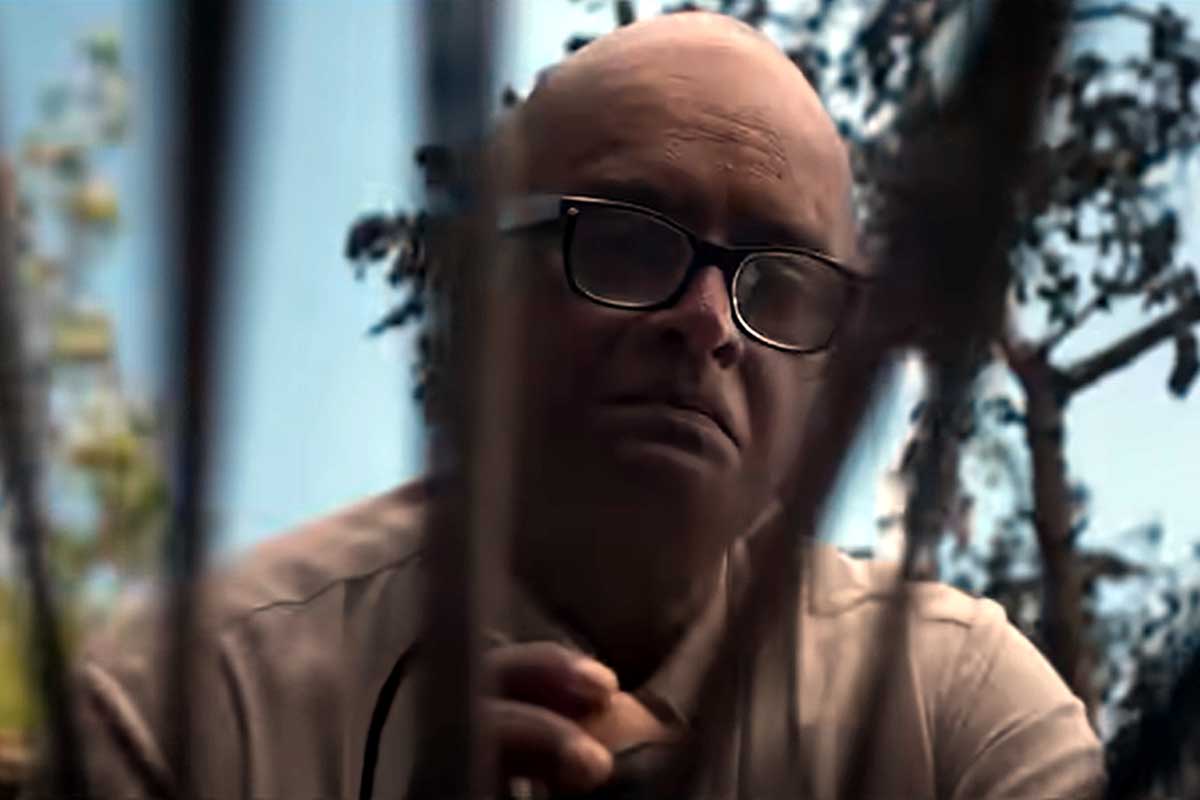
Though the screenplay leaves little room for dramatisation, it still manages to engage. Krishna Kumar’s direction is competent, while Arvind Kamalanathan’s cinematography beautifully captures Coimbatore of the 1930s and 1940s. Govind Vasantha’s music flows seamlessly with the film.
This film is relevant today because it reminds us that the idea of self-reliance is not new; it was exemplified decades ago. GDN is not just a biopic but a document of the industrial and political challenges of its time. Through this film, the younger generation learns that innovation is not only a technological achievement but also a social responsibility. Naidu’s philosophy of technological self-reliance, practical education, and public welfare is as essential today as it was in his era.
The film compels us to reflect: had there been greater policy support in the past, India’s industrial landscape could have been far stronger. And now, as the government moves forward with industrial reforms and the vision of Atmanirbhar Bharat, Naidu’s story becomes even more relevant.
Related Items
An Indian traveller’s eye-opening lessons in the ‘Art of Living’
Are Indian borders just lines on a map!
How the 'Indian Solar Revolution' is transforming rural lives…