Hidden hunger remains a major nutritional challenge despite adequate calorie intake in many populations. Biofortified crops are being developed to improve the intake of essential vitamins and minerals through daily food consumption.
Read More




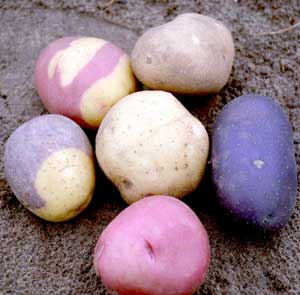
Hidden hunger remains a major nutritional challenge despite adequate calorie intake in many populations. Biofortified crops are being developed to improve the intake of essential vitamins and minerals through daily food consumption.
Read More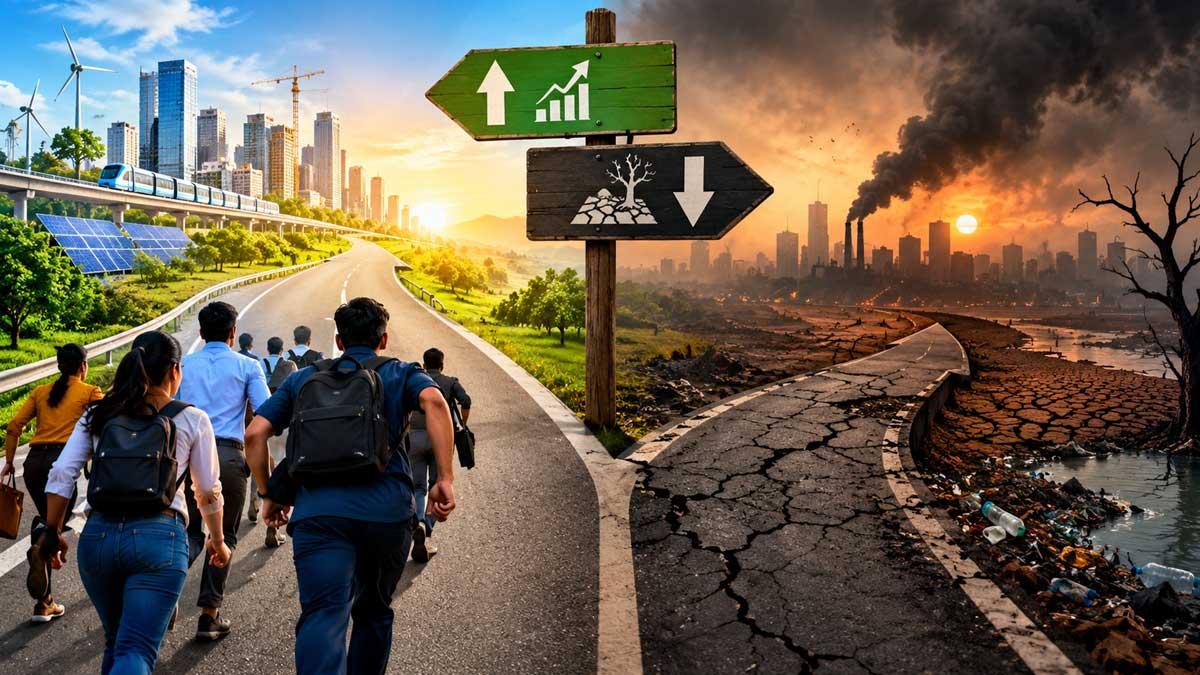
Will we leave our children a green and flourishing India, or a land of dust storms, poisoned air and dying rivers? This is no longer a question for environmental activists alone. It confronts every citizen standing on the banks of Agra's shrinking Yamuna, every farmer watching erratic monsoons destroy crops, and every family forced to breathe toxic air through long winter months.
Read More
What happened on the evening of 12 May at an Agra ghat was not a tragic fluke. Six young people who had come to celebrate a birthday entered the Yamuna. Two hours of rescue efforts ended with four bodies recovered. Such tragedies are becoming routine. The police put up warning hoardings, but people ignore them. The families’ grief is beyond words. The Yamuna that has cradled our faith, history and civilisation is becoming a witness to death.
Read More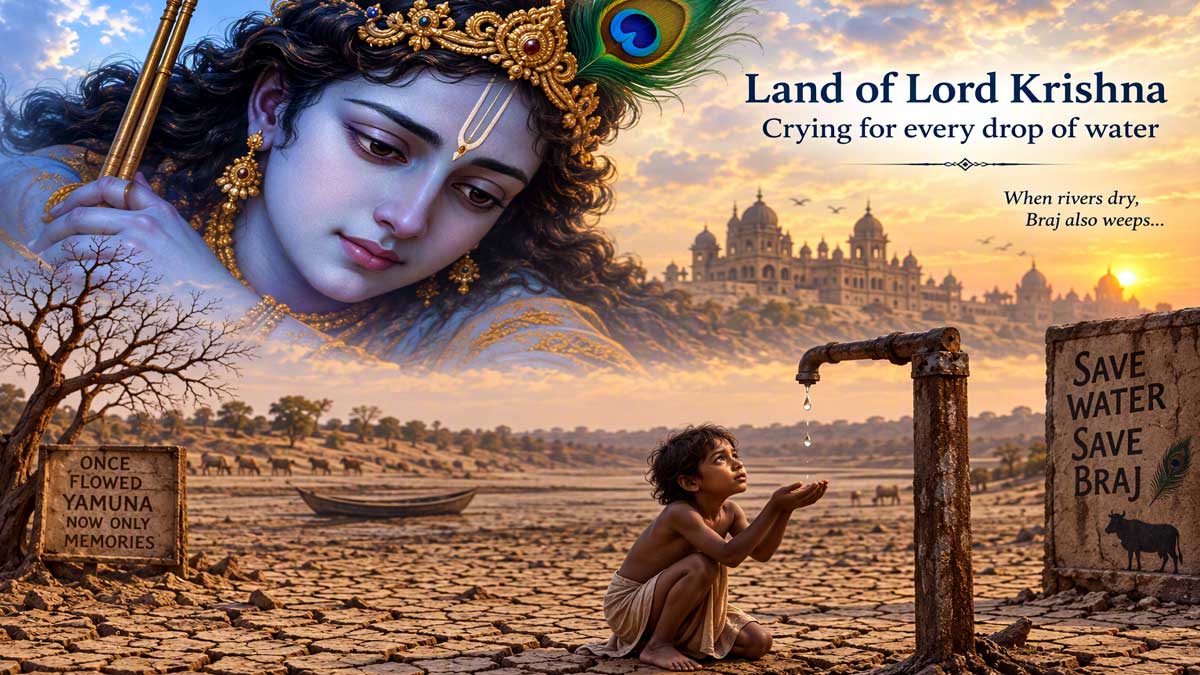
The enchanting beauty of Braj Mandal, the Yamuna riverbanks, shaded groves, wandering peacocks, gentle cows, and the divine tales of Krishna have echoed for centuries through countless bhajans and folk songs. Devotional classics like “Shyam Teri Bansi Pukare”, “Radhe Radhe Barsane Wali”, “Maiya Mori” and “Jai Radha Madhav” still paint Vrindavan, Barsana, and Gokul as a spiritual paradise. Surdas's and Raskhan's verses remain soaked in the fragrance of Braj’s natural splendour.
Read More
The journeys of women creating livelihoods from waste, leading cleanliness efforts in their communities and turning everyday challenges into opportunities. Alongside them are transgender community members finding professional roles and recognition in sanitation services. Across cities, Swachhata is becoming more than a public service. It is becoming a space for dignity, enterprise, participation and opportunity.
Read More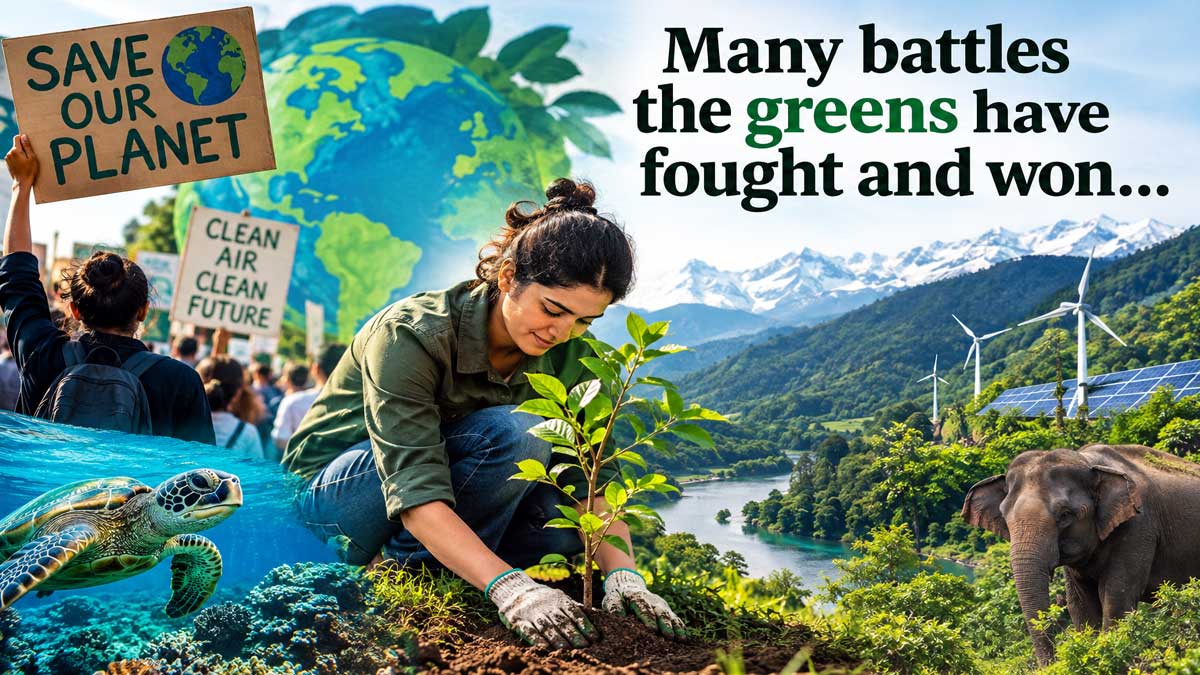
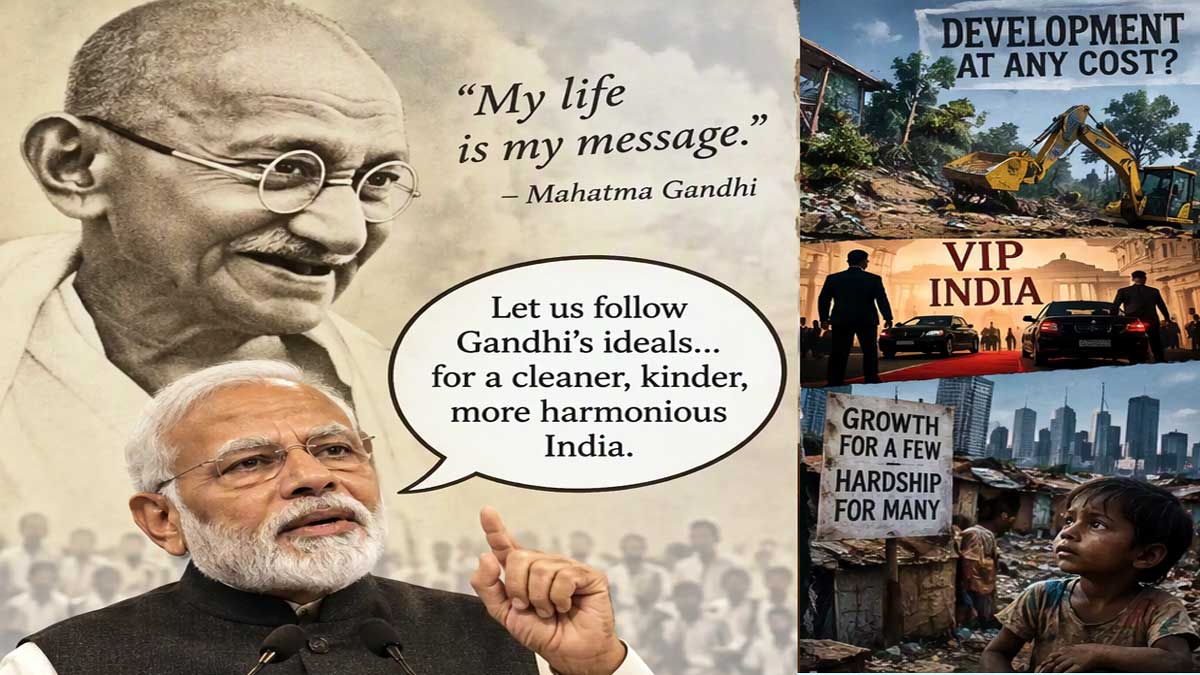
What happens when the people raising environmental concerns are treated as obstacles rather than guardians? Who speaks for rivers, forests, wildlife, and future generations when bulldozers arrive carrying the banner of development...
Read More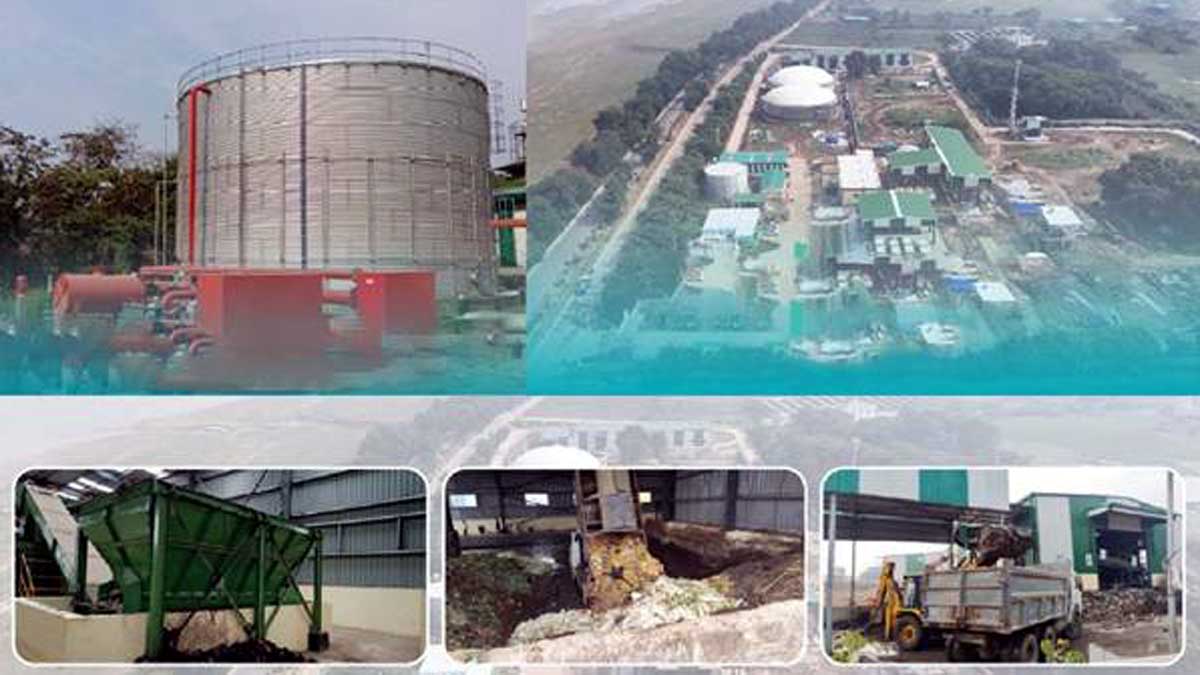
Waste-to-energy takes different forms across India, depending on the available waste and community needs. A vegetable market in Hyderabad lights its own streetlights with rotten vegetables. In Prayagraj, a multi-feedstock bio-CNG plant converts different types of organic waste into clean fuel and compost. An educational institution in Gandhinagar cooks for more than 500 people a day without depending on LPG cylinders. A gaushala in Gwalior turns cow dung into compressed biogas.
Read More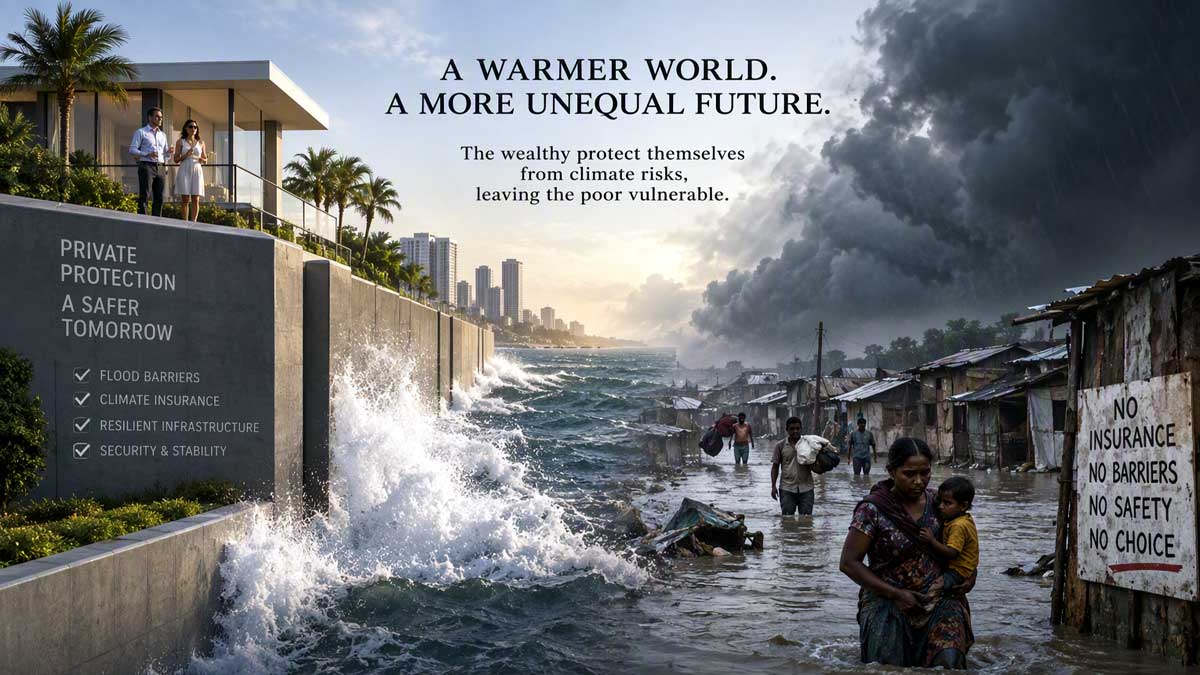
Wealthy individuals are more likely to invest in solutions that protect only themselves from climate change, increasing wealth inequality and leaving poorer individuals vulnerable to climate risks, finds a new study involving Corvinus University of Budapest.
Read More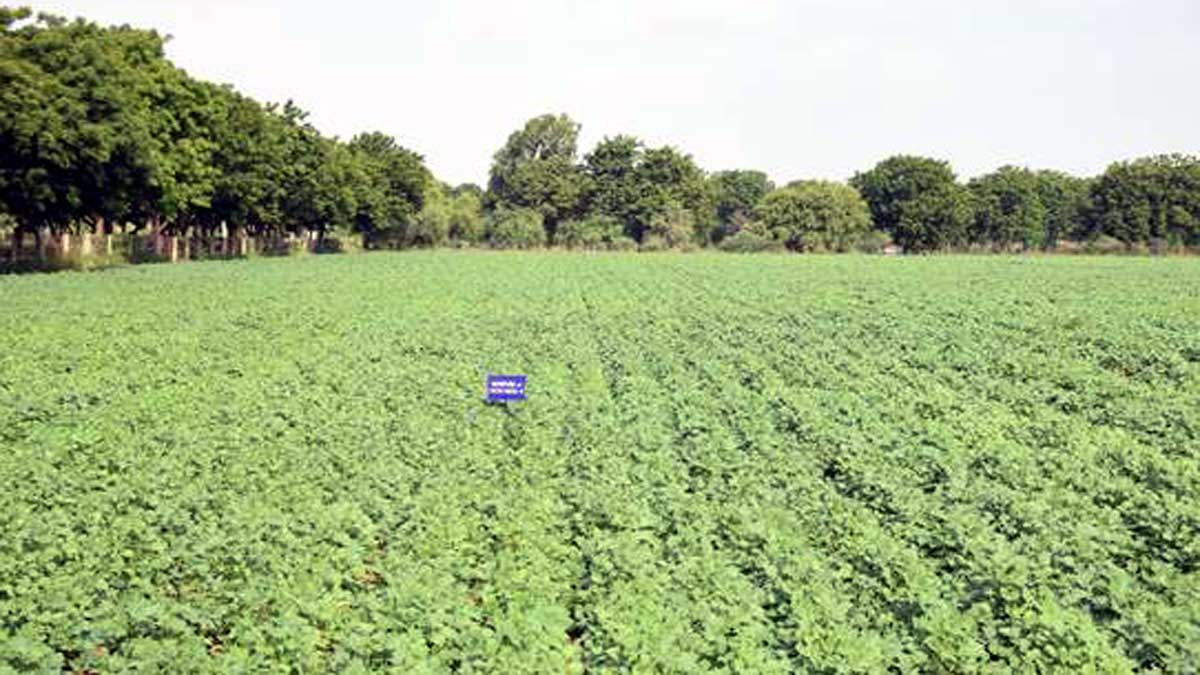
Moth bean, one of the most important pulse crops of the hot arid regions of western Rajasthan, is cultivated over nearly 10 lakh hectares. However, its productivity remains low at around 350 kg per hectare, primarily due to low, erratic and uncertain rainfall of 150–250 mm, prolonged dry spells of 20–30 days and limited availability of soil moisture. Under such challenging conditions, the ability of a variety to withstand moisture stress, maintain growth and continue reproductive development is critical for sustaining crop production.
Read More
For decades, rural sanitation remained a persistent development concern nationwide. Sanitation coverage stood at 39 per cent when the Swachh Bharat Mission began in 2014. By 2019, rural India had achieved 100 per cent sanitation coverage.
Read More