Older people who have higher blood pressure may have more signs of brain disease, specifically brain lesions, according to a study published in the recent online issue of Neurology, the medical journal of the American Academy of Neurology.
Read More



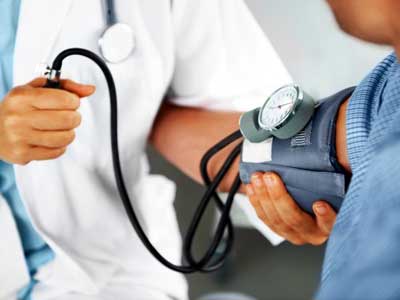
Older people who have higher blood pressure may have more signs of brain disease, specifically brain lesions, according to a study published in the recent online issue of Neurology, the medical journal of the American Academy of Neurology.
Read More
A new study led by the University of Alabama at Birmingham researchers published in Circulation: Cardiovascular Quality and Outcomes shows that taking the multivitamin and mineral supplements do not prevent strokes, heart attacks or deaths related to cardiovascular disease.
Read More
Bisexual men have a higher risk for heart disease compared with heterosexual men, finds a new study published online in the journal LGBT Health.
Read More
Cuts from a sharp knife or a piece of glass are very common. They often occur while people are preparing food, washing dishes or even crafting. All it takes is a slip of the knife or a dish breaking, and suddenly there’s blood. However, while these types of cuts are startling, most can be safely treated at home, according to dermatologists from the American Academy of Dermatology.
Read More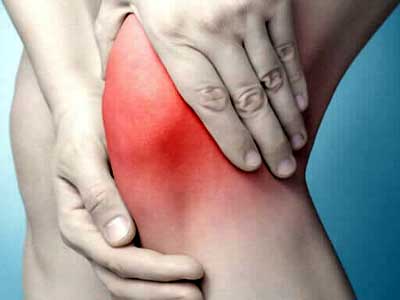
Inflammation is the body’s reaction to a harmful stimulus, such as infection with a virus like the flu, an injury like a cut or scrape or chronic conditions such as Crohn’s disease. Although it is a normal and important part of our immune system’s defenses, when it sticks around too long it can be problematic.
Read More
A regimen of low-dose aspirin potentially may reduce plaques in the brain, which will reduce Alzheimer’s disease pathology and protect memory, according to neurological researchers at Rush University Medical Center, who published the results of their study in the recent issue of The Journal of Neuroscience.
Read More