
 Brij Khandelwal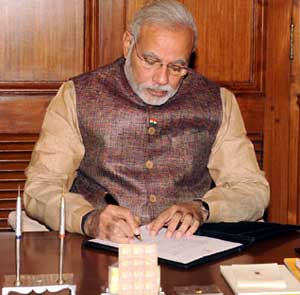
Power changed its grammar. Quietly. Almost politely. For a decade, Narendra Modi ran a tight ship. One captain. One command. No coalition chaos. No midnight bargaining. The old circus of the 1990s and 2000s was pushed off stage. Between 2014 and 2024, the Bharatiya Janata Party did not just win elections. It bulldozed fragmentation. It ruled with muscle.
Big calls followed. Article 370 scrapped. Ram Temple rose from decades of dispute. Goods and Services Tax stitched a single market. Welfare went digital. Aadhaar and UPI turned governance into a touchscreen affair. It was speed. Shock. Surprise. A blitzkrieg state.
Then came 2024. A verdict with a whisper, not a bang. Modi returned. But the majority did not. 272 stayed out of reach. Allies walked in. Arithmetic replaced authority.
Welcome back to coalition politics. But this is not the old coalition. This is a coalition with a power imbalance. The BJP still towers. Partners still matter. A strange marriage. One partner strong. The other indispensable. Delhi is asking one question. Is this a pause? Or a game changer? The government calls it the Reform Express. A familiar slogan. A confident echo.
Labour codes are set to roll out by April 2026. Insurance opens fully to foreign money. Nuclear power invites private players. GST inches toward a cleaner, simpler two-slab dream. MSMEs get a new definition. MGNREGA is being reshaped. From dole to skill. From relief to relevance. On paper, it looks bold. On the ground, it feels careful. This is not 2016. No midnight surprises. No thunderclaps. No sudden jolts like demonetisation. This is a consultation. Calibration. Conversation.
Allies want to be heard. Regional bosses want their pound of flesh. Every reform now passes through a sieve of negotiation. The decisive state has learned to pause. To listen. To wait.
The express is still moving. But the brakes are within reach. And then, a jolt from another corner. An impeachment motion against Gyanesh Kumar. Unprecedented. Over 190 MPs. The INDIA bloc and the Aam Aadmi Party are on the same page.
The charge. Bias. Institutional capture. A bruising battle over voter rolls in Bengal. Will it succeed? The numbers don’t add up. The process is punishing. Removal is as tough as impeaching a judge.
But politics is not always about winning. Sometimes it is about framing the fight. The opposition smells a narrative. Democratic erosion. Institutions under stress. The government sees sour grapes. A tantrum after losing ground in Bihar, Haryana, and Maharashtra. Earlier, a move against Om Birla fizzled out. This one will not fade so easily. Because beneath it lies a deeper unease.
Delimitation is coming. Seats may shift northward. Power equations may tilt. A caste census demand is simmering. Social coalitions may reshuffle. And a quiet question lingers. Are institutions still neutral referees? Now the spotlight shifts south. And east. Five states. One political test. Results by May 4.
Assam. Himanta Biswa Sarma mixes development with identity politics. A confident NDA bet. Kerala. Pinarayi Vijayan leans on welfare and discipline. The Left holds ground. Tamil Nadu. MK Stalin guards the Dravidian fortress. Language. Identity. Federal pride. A tough wall for the BJP.
West Bengal. The crown jewel. The battlefield of nerves. Mamata Banerjee versus Suvendu Adhikari. Emotion versus machinery. Local pride versus polarisation. A knife-edge contest. Puducherry. Small state. Big signals.
This is not just about states. This is about expansion. Can the Modi model travel beyond the Hindi heartland? Or does it hit a cultural ceiling? The most likely story. A mixed verdict. Assam stays with NDA. Kerala, Tamil Nadu, and Bengal lean towards opposition. Puducherry stays fluid. What then?
The Centre survives. But with noise. Allies demand more say. Reforms slow further. The opposition gains oxygen. The BJP’s southern push hits another wall. The “national party” tag faces fresh questions.
Second scenario. A surprise NDA sweep. Centralisation returns with swagger. Reforms accelerate. The BJP claims pan-India dominance. But beware. Too much push can trigger backlash. Federal fault lines can widen. Unity can crack.
Third scenario. Opposition wave. Delhi goes defensive. Institutional battles intensify. Economic reforms stall. Coalition management becomes a daily headache. The Reform Express risks derailment.
The Long Game: Beyond 2026 lies the real storm. Delimitation. A ticking bomb. North versus South. Representation versus resentment. A redrawing of India’s political map. And succession.
Who after Modi? The inevitable question hangs in the air. Who next? And can the next leader manage both dominance and dependence? Authority and alliance?
For now, the Modi era holds. Assertive. Nationalistic. Digitally wired. Welfare-backed. But permanence is a myth in politics. Power shifts. Equations evolve. Voters surprise. India is rewriting its political playbook. Again. The ink is still wet. The only question that matters. Who holds the pen now?
Related Items
The biggest ‘Cosmic Con’ of ‘Power Brokers’
Where the Modi Government has fallen short…
Power, secrets, and a story still unfolding…