For years, scientists and parents alike have touted the benefits of introducing babies to two languages: Bilingual experience has been shown to improve cognitive abilities, especially problem-solving.
Read More




For years, scientists and parents alike have touted the benefits of introducing babies to two languages: Bilingual experience has been shown to improve cognitive abilities, especially problem-solving.
Read More
Kids who become overweight during their teenage years may be more likely to develop stroke decades later than kids who did not become overweight during those years, according to a study published recently in online issue of Neurology.
Read More
Fathers with toddler daughters are more attentive and responsive to those daughters’ needs than fathers with toddler sons are to the needs of those sons, according to brain scans and recordings of the parents’ daily interactions with their kids.
Read More
Survival rates continue to rise for children living with once-fatal chronic pediatric health conditions. But their survival comes at a cost: many experience long-term neurocognitive deficits.
Read More
Children and teens exposed to high levels of traffic-related air pollution have evidence of a specific type of DNA damage called telomere shortening, reports a study in the recent Journal of Occupational and Environmental Medicine.
Read More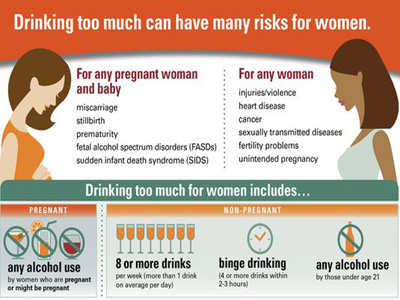
A new study suggests that fetal alcohol exposure (FAE) reduces the taste system’s responsiveness to the bitter flavor and burning sensation of many varieties of alcoholic beverages. These factors make alcohol unappealing to some people, but, for reasons that are unclear, are less of a deterrent in young people exposed to alcohol before birth. The study is published in the Journal of Neurophysiology.
Read More