Latest News: India and Brazil sign MoU to strengthen cooperation in the postal sector * Delhi–Meerut Namo Bharat Corridor dedicated to the Nation * India joins Pax Silica at India AI Impact Summit 2026, Deepens strategic technology cooperation with the United States

 Teens-Kids

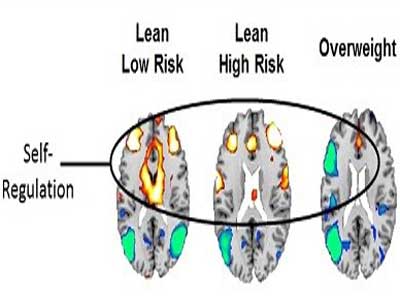
A team of researchers, including senior investigator, Bradley Peterson, MD, director of the Institute for the Developing Mind at Children’s Hospital Los Angeles, used fMRI to investigate neural responses to food cues in overweight compared with lean adolescents. The team observed that food stimuli activated regions of the brain associated with reward and emotion in all groups. However, adolescents at an increasing risk for obesity had progressively less neural activity in circuits of the brain that support self-regulation and attention.

Read More

Children and young people under-25 who become victims of cyberbullying are more than twice as likely to enact self-harm and attempt suicide than non-victims.

Read More

With back-to-school quickly approaching, parents have already begun securing basic necessities like backpacks. Each year, millions of children return to school struggling under the weight of an overstuffed backpack.  Heavy backpacks can put children at risk of injury, according to Dr. Joshua Hyman, orthopedic surgeon at NewYork-Presbyterian Morgan Stanley Children’s Hospital.

Read More

If you’re the parent of an infant, diaper duty probably isn’t your favorite part of the day. But you dutifully check the contents of each one because your pediatrician told you that color and consistency of what they leave behind can tell you a lot about their health. But what does a dirty diaper have to do with your baby’s brain?

Read More

For years, scientists and parents alike have touted the benefits of introducing babies to two languages: Bilingual experience has been shown to improve cognitive abilities, especially problem-solving.

Read More

Kids who become overweight during their teenage years may be more likely to develop stroke decades later than kids who did not become overweight during those years, according to a study published recently in online issue of Neurology.

Read More