Making a friend is hard work. Keeping one is even harder, especially for young children.
Read More




Making a friend is hard work. Keeping one is even harder, especially for young children.
Read More
In a new analysis of interviews conducted with children who have asthma, their caregivers, and their clinicians, Johns Hopkins researchers found that there was significant lack of agreement about why the kids miss their needed daily anti-inflammatory medication.
Read More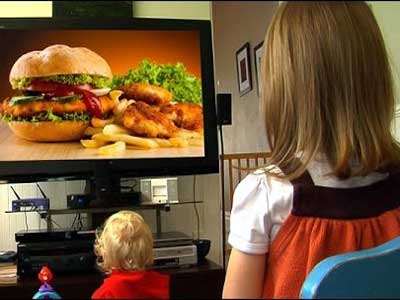
Junk food ads are shown more frequently on TV at times when many children are watching, new Heart Foundation-funded research shows.
Read More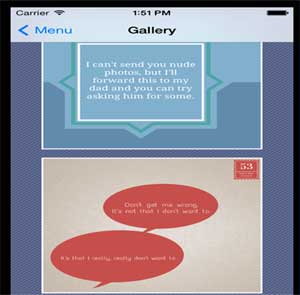
Many teenagers have regular access to a smartphone and its applications, giving them instant power, information, and gratification at their fingertips. In recent years, parents have had to adjust their parenting skills to incorporate conversations with their children about proper smartphone use, but a recent study published by JAMA Pediatrics has spurred national buzz about new conversation parents need to be having — sexting.
Read More
While school lunches are subject to food standards, the contents of packed lunches are not as closely scrutinized, and studies have raised concern regarding the nutritional quality of packed lunches.
Read More
It’s hard enough for parents to have “the talk” about sexual health with their kids, but parents of LGBTQ children feel especially uncomfortable and unequipped when they try to educate them about sex and dating, reports a new Northwestern Medicine study.
Read More