Latest News: SAIL posts strong sales and production growth in August * India’s Sovereign Credit Rating upgraded to 'A-' with Stable Outlook by Japan Credit Rating Agency * 16th Aero India to be held in Bengaluru from February 8-12, 2027

 Health

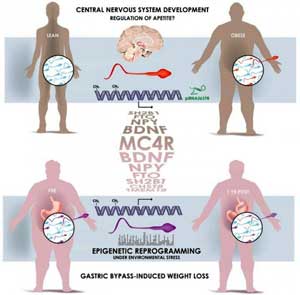
Turns out dads are also eating for two. A study published recently in Cell Metabolism reveals that a man's weight affects the heritable information contained in sperm. The sperm cells of lean and obese men possess different epigenetic marks, notable at gene regions associated with the control of appetite. The comparisons, which included 13 lean men and 10 obese men, offer one biological explanation for why children of obese fathers are themselves more predisposed to obesity.

Read More
Cincinnati: Pre-existing asthma may be a strong predictor of future chronic migraine attacks in individuals experiencing occasional migraine headaches, according to researchers from the University of Cincinnati, Montefiore Headache Center and Albert Einstein College of Medicine, and Vedanta Research. 

Read More

Philadelphia: A new study from scientists at the Monell Center and collaborators reveals that while foods such as vanilla pudding taste sweeter following three months on a low-sugar diet, the level of sweetness most preferred in foods and beverages does not change. The findings may inform public health efforts to reduce the amount of added sugars that people consume in their diets.

Read More

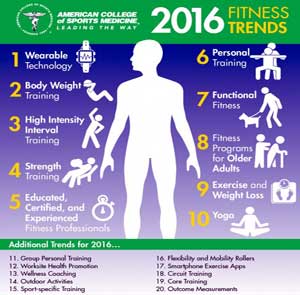
Indianapolis: Are you tracking your running mileage, calories burned or average heart rate using a wearable device? The American College of Sports Medicine (ACSM) has announced its annual fitness trend forecast and for the first time, exercise pros say wearable technology will be the top trend in fitness next year. 

Read More

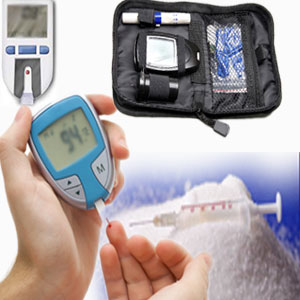
London: New research published in The Lancet has shown that a drug, currently used in the treatment of Type II diabetes, can be effective in clearing fatty liver disease from some patients.

Read More

San Francisco: A study that tracked tens of thousands of midlife and older men for more than 20 years has found that vigorous exercise and other healthy lifestyle habits may cut their chances of developing a lethal type of prostate cancer by up to 68 percent.

Read More