Neuroscientists should think twice before getting patients to play video games as a way to boost their brain power, a new study conducted at Université de Montréal suggests. Why? Because in many cases, gaming can do more harm than good.
Read More





Neuroscientists should think twice before getting patients to play video games as a way to boost their brain power, a new study conducted at Université de Montréal suggests. Why? Because in many cases, gaming can do more harm than good.
Read More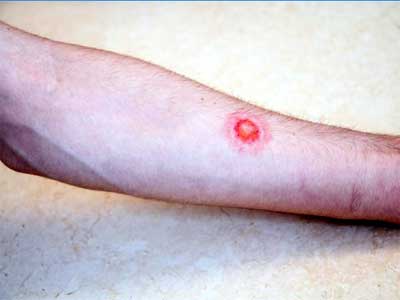
What do athlete’s foot, jock itch, and barber’s itch all have in common? They are all cases of ringworm, say dermatologists from the American Academy of Dermatology. However, despite its name, ringworm is a skin infection caused by a fungus, not a worm. It is very common, and your risk increases in hot, humid weather.
Read More
An ice cream cone on a hot July day can be a tasty way to beat the heat, but if you’re one of the millions of people who have sensitive teeth, then that cold treat can be a real pain. So, what causes your teeth to fear the sweet embrace of cold, delicious treats—or, on the other hand, a good cup of hot coffee? An expert from the Texas A&M College of Dentistry explains what causes sensitive teeth and how to strengthen your pearly whites.
Read More
The simple act of silently talking to yourself in the third person during stressful times may help you control emotions without any additional mental effort than what you would use for first-person self-talk – the way people normally talk to themselves.
Read More
Hepatitis - an inflammatory disease of the liver is caused due to viral infection. In 2015, it led to nearly 1.34 million deaths worldwide (almost equivalent to that caused by tuberculosis); most of the viral hepatitis deaths being due to chronic liver disease/primary liver cancer (mortality due to cirrhosis - 720,000; hepatocellular carcinoma - 470,000). Over time, mortality due to viral hepatitis is yet on a rise.
Read More
People who take simple steps to keep their heart healthy in young adulthood, such as exercising, eating a healthy diet and controlling blood pressure and cholesterol, may keep their brain from shrinking decades later. People who take care of their heart health in young adulthood may have larger brains in middle-age, compared to people who do not take care of their heart health, according to a study published recently in the online issue of Neurology.
Read More
Modest weight gains – even among those who aren’t overweight – can cause dangerous changes to the heart, but small amounts of weight loss can improve the condition, new research from UT Southwestern Medical Center cardiologists shows.
Read More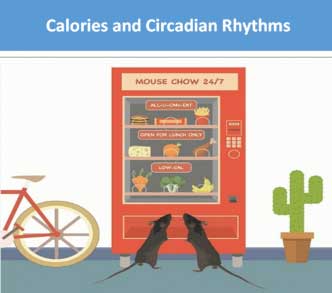
A new high-precision feeding system for lab mice reinforces the idea that the time of day food is eaten is more critical to weight loss than the amount of calories ingested.
Read More
Researchers from the University of Pittsburgh Schools of the Health Sciences and UPMC have uncovered the molecular mechanism underlying corticosteroid resistance in severe asthma. The new findings have important clinical implications, suggesting that corticosteroids, the main treatment for asthma, may worsen the disease in this group of patients. Research was published recently in the journal JCI Insight.
Read More
People who survive a major heart attack often do better in the years afterward if they’re mildly obese, a study by UT Southwestern Medical Center cardiologists showed.
Read More