In a new study published in Renewable & Sustainable Energy Reviews, a team from Michigan Technological University calculated the cost of combusting coal in terms of human lives along with the potential benefits of switching to solar.
Read More




In a new study published in Renewable & Sustainable Energy Reviews, a team from Michigan Technological University calculated the cost of combusting coal in terms of human lives along with the potential benefits of switching to solar.
Read More
New Delhi: The three-day India Mobile Congress 2017 (IMC 2017) will be held from 27th to 29th September this year at Pragati Maidan in New Delhi and will see participation of government bodies, Telecom Service Providers (TSPs), telecom equipment manufacturers, handset manufacturers and app providers.
Read More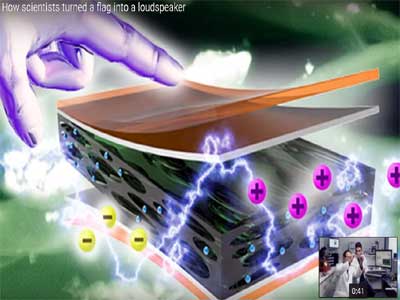
A paper-thin, flexible device created at Michigan State University not only can generate energy from human motion, it can act as a loudspeaker and microphone as well, nanotechnology researchers report in the May 16 edition of Nature Communications.
Read More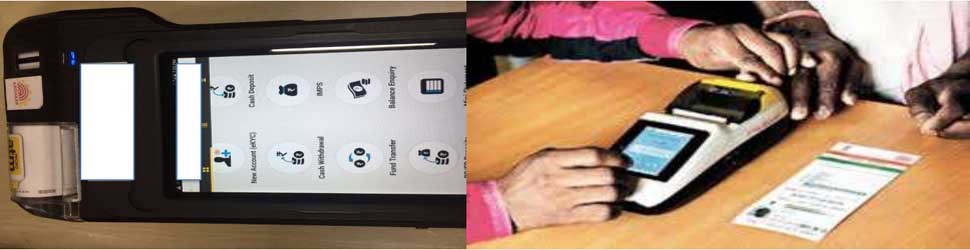
Cashless society is not a new found phenomenon. Decades back, India craved for it with plastic cards. The worldwide trend is to relegate cash transaction and India is not an island. India has been facilitating this trend with a number of schemes and retro-measures.
Read More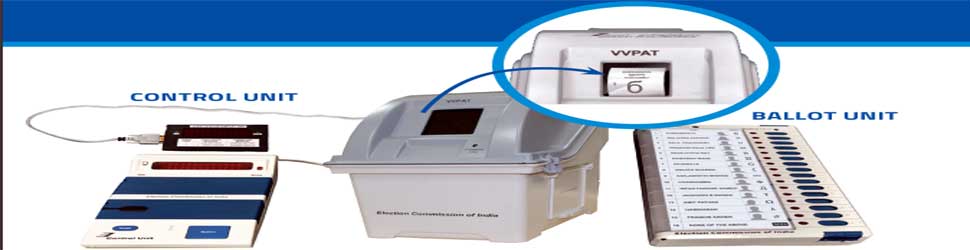
Election Commission has said that it is possible for anyone to make any electronic gadget which ‘looks-like’ ECI EVM and demonstrate any Magic or Tampering. Any 'look-alike'' machine is just a different gadget, which is manifestly designed and made to function in a ‘tampered’ manner and has no relevance, incidence or bearing on the Commission's EVMs.
Read More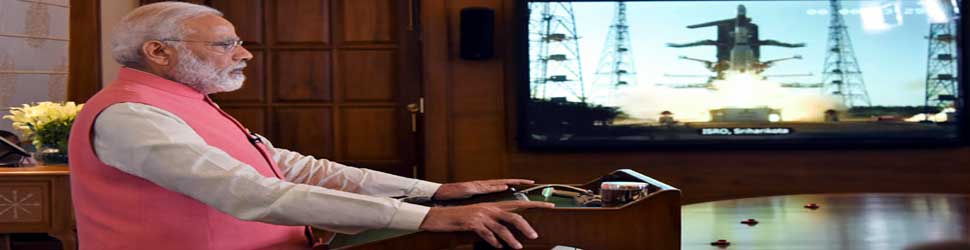
India’s successful launch of the first-ever South Asia Satellite to boost communication and improve disaster links among its six neighbours has “opened up new horizons of engagement” in the region and helped it carve a unique place for itself in space diplomacy.
Read More