When you eat salty food, you get thirsty and drink water. Right..? Maybe in the short-term…, but within 24 hours, you actually get less thirsty because your body starts to conserve and produce more water.
Read More




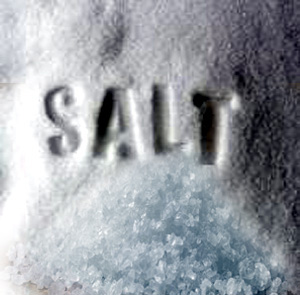
When you eat salty food, you get thirsty and drink water. Right..? Maybe in the short-term…, but within 24 hours, you actually get less thirsty because your body starts to conserve and produce more water.
Read More
Infertility affects both men and women, with nearly 15 percent of couples being affected, according to the American Congress of Obstetrics and Gynecology. There are many causes that inhibit a couple from getting pregnant, both physical and mental.
Read More
Washington: A new analysis indicates that by 2013, cardiovascular deaths attributed to reduced kidney function outnumbered kidney failure deaths throughout the world.
Read More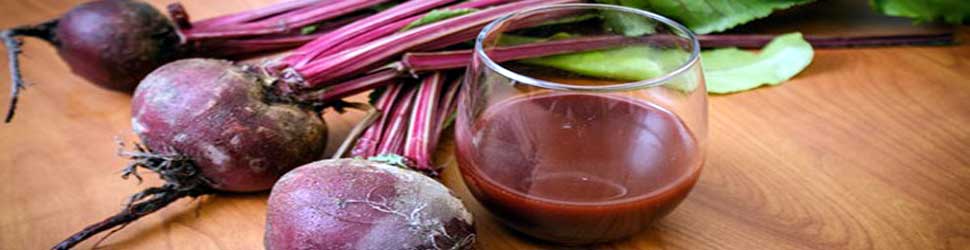
Drinking a beetroot juice supplement before working out makes the brain of older adults perform more efficiently, mirroring the operations of a younger brain, according to a new study by scientists at Wake Forest University.
Read More
Parliament has passed a crucial Bill to ensure equal rights to the people infected with HIV and AIDS in getting treatment and prevent discrimination of any kind. The Human Immunodeficiency Virus (HIV) and Acquired Immune Deficiency Syndrome - AIDS (Prevention and Control) Bill, 2017 was passed by the Lok Sabha on 11th April and by the Rajya Sabha on March 21 this year.
Read More
Low-calorie, artificial sweeteners appear to play havoc with the body’s metabolism, and large consumption of these sugar substitutes could promote fat accumulation, especially in people who are already obese, preliminary research suggests. The study results presented at ENDO 2017, the Endocrine Society’s 99th annual meeting in Orlando, Fla.
Read More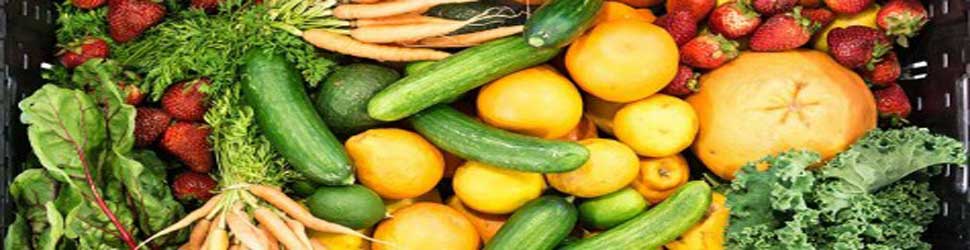
Eating potassium-rich foods like sweet potatoes, avocados, spinach, beans, bananas — and even coffee — could be key to lowering blood pressure, according to Alicia McDonough, professor of cell and neurobiology at the Keck School of Medicine of the University of Southern California.
Read More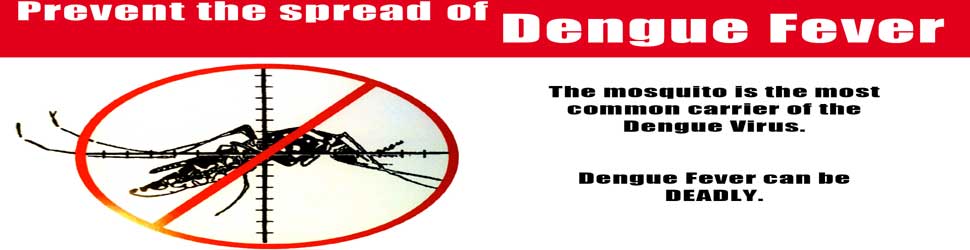
Transmission of the mosquito-borne dengue virus appears to be largely driven by infections centered in and around the home, with the majority of cases related to one another occurring in people who live less than 200 meters apart, new research led by the Johns Hopkins Bloomberg School of Public Health and the University of Florida suggests.
Read More
Adults who don’t flip on the TV during dinner and those who eat home-cooked meals are less likely to be obese, a new study has found.
Read More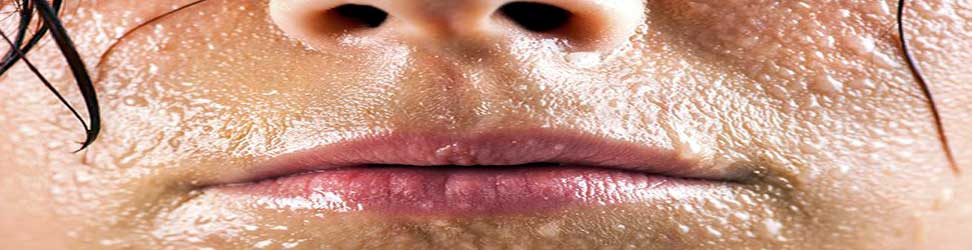
Hyperhidrosis is excessive sweating that is more than what is needed to regulate body temperature. Many persons suffer from hyperhidrosis, a disorder that often goes undiagnosed.
Read More