A new high-precision feeding system for lab mice reinforces the idea that the time of day food is eaten is more critical to weight loss than the amount of calories ingested.
Read More



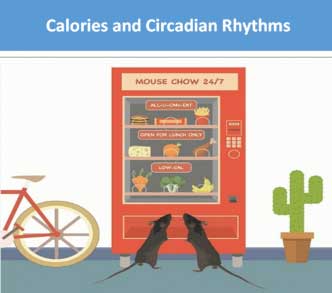
A new high-precision feeding system for lab mice reinforces the idea that the time of day food is eaten is more critical to weight loss than the amount of calories ingested.
Read More
Researchers from the University of Pittsburgh Schools of the Health Sciences and UPMC have uncovered the molecular mechanism underlying corticosteroid resistance in severe asthma. The new findings have important clinical implications, suggesting that corticosteroids, the main treatment for asthma, may worsen the disease in this group of patients. Research was published recently in the journal JCI Insight.
Read More
People who survive a major heart attack often do better in the years afterward if they’re mildly obese, a study by UT Southwestern Medical Center cardiologists showed.
Read More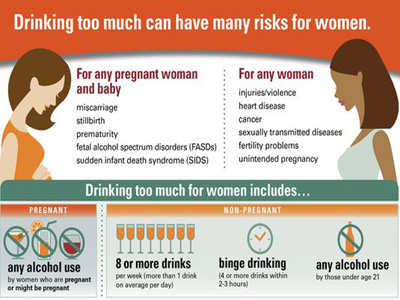
The more alcohol that people drink, the more their cells appear to age. In a new study shared at the 40th annual scientific meeting of the Research Society on Alcoholism (RSA) in Denver recently, researchers found that alcoholic patients had shortened telomere lengths, placing them at greater risk for age-related illnesses, such as cardiovascular disease, diabetes, cancer and dementia.
Read More
A new study suggests that most people with acute conjunctivitis, or pink eye, are getting the wrong treatment.
Read More
Millions of prescriptions for erectile dysfunction (ED) medications such as Viagra and Cialis are written every year, and during Men’s Health Month the American Association of Nurse Anesthetists (AANA) wants to remind consumers of these products to be forthright with their anesthesia professionals when preparing for surgery or other procedures that require anesthesia.
Read More