By age 65, one in three people will have a vision-impairing eye disease. Many sight-robbing conditions can be effectively treated if detected early enough, in many cases limiting or eliminating the damage to eyesight.
Read More



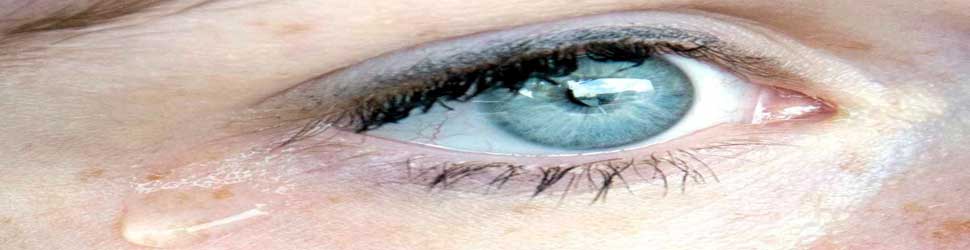
By age 65, one in three people will have a vision-impairing eye disease. Many sight-robbing conditions can be effectively treated if detected early enough, in many cases limiting or eliminating the damage to eyesight.
Read More
A new study indicates that sleep duration may influence the health-related quality of life experienced by individuals with chronic kidney disease (CKD).
Read More
As we spend greater time outdoors throughout the year, we place ourselves at risk for over-exposure and cumulative, toxic effects of the sun that can eventually promote the growth of skin cancers.
Read More
Antibody therapy developed at the Uniformed Services University of the Health Sciences as a treatment against the Nipah and Hendra viruses has led to an agreement announced between USU, the Henry M. Jackson Foundation for the Advancement of Military Medicine, Profectus BioSciences, Inc., and Emergent BioSolutions, Inc., for development of a human vaccine against the two deadly viruses. The USU-HJF Joint Technology Transfer Office licensed the technology, which is supported by the Coalition for Epidemic Preparedness Innovations.
Read More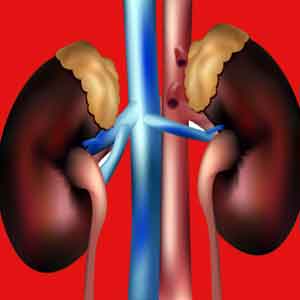
The potential to promote antibiotic resistance in bacteria isn’t the only reason to avoid using antibiotics when possible. A new study reveals that antibiotics are also linked with an increased risk of developing kidney stones, with the greatest risk among children.
Read More
Autism spectrum disorders are being diagnosed in ever-increasing numbers. There are about 1 in 68 children identified with an autism spectrum disorder (ASD), according to the Center for Disease Control’s (CDC) Autism and Developmental Disabilities Monitoring (ADDM) Network.
Read More