
 Brij Khandelwal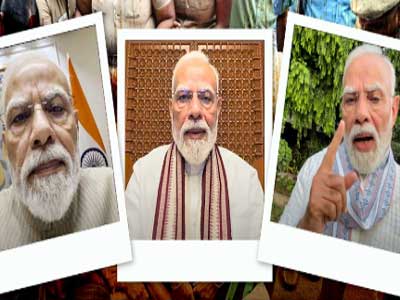
Jantar Mantar turned into a carnival of defiance. Gen Z sang, danced, traded irreverent memes, mocked powerful leaders, and feasted on burgers, pizzas and bhaturas, as if politics had crashed a college festival.
Beneath the playful chaos, though, sat a sharp, unwavering demand: accountability. Even scattered violence couldn't drain the movement's energy. Fresh waves of young protesters kept arriving, fearless and determined, turning a protest into a vivid celebration of democratic participation.
This youth mobilisation marked a remarkable moment in India's democratic journey. What began as anger over the examination system quickly became something bigger: a confident assertion that young citizens deserve to be heard. The pressure that led to Dharmendra Pradhan's exit, calls for the Prime Minister to engage directly with young people on Instagram, and the decision to form a new task force with Nandan Nilekani and other experts all proved the same point: peaceful, focused public pressure can move policy.
The movement also showed the sheer power of social media. Conventional media, usually the gatekeeper of public discourse, found itself chasing a story that had been created, shaped and amplified entirely online. Gen Z's vocabulary: irreverent, spontaneous, symbolic; broke every rule of conventional political protest. Its earthy authenticity cut through the polish of political messaging and won admiration across ideological lines.
The movement rose above party politics. Brief, vibrant, refreshingly secular; like the first monsoon shower after a long, oppressive summer, it brought together untutored youngsters, first-time protesters and digital natives in an unscripted civic drama that released real creative energy. It hinted at something larger: a wider national youth awakening.
The government's timely response helped defuse tensions before the agitation could gather more momentum. The episode reaffirmed a democratic truth that governments too easily forget: peaceful mass movements aren't a threat to democracy; they're one of its greatest strengths. The voice of citizens, especially the young, cannot be ignored.
Politics teaches a timeless lesson: the higher a leader climbs, the harder the fall when humility gives way to arrogance. Indian mythology is full of such warnings. Indra, intoxicated by power, was humbled when young Krishna lifted Govardhan on a fingertip. Sage Narada, proud of his wisdom, was humbled by Vishnu. Pride clouds judgment; humility restores perspective.
The NEET controversy has become one of the gravest challenges of Narendra Modi's government: not merely an exam dispute, but a crisis of credibility that has shaken millions of students and families who see education as their only ladder up.
For years, Modi cultivated the image of a confident Vishwaguru leading an efficient India. The NEET imbroglio cracked that image. Allegations of paper leaks, irregularities and administrative confusion turned a routine national exam into a symbol of institutional failure.
The bigger mistake wasn't the crisis itself; it was the hesitant response. Real leadership demands swift acknowledgement, transparent investigation, visible accountability. Instead, the government's response was defensive and delayed, and every passing day deepened public suspicion that authorities were reacting to events rather than controlling them.
Leadership also requires the courage to accept responsibility. In parliamentary democracies, ministers have traditionally resigned over major failures on their watch, even without personal wrongdoing; resignations that reinforce public trust. In the NEET episode, calls for accountability were largely brushed aside, leaving the impression that preserving political authority mattered more than restoring public confidence.
The controversy exposed a deeper weakness common to governments with overwhelming electoral dominance: insulation from dissent. Democracies function best when criticism is welcomed, not dismissed; it's an early warning system that stops small failures from becoming national crises.
Ancient Indian wisdom knew this. The Ramayana's washerman, whose harsh opinion still reached Lord Rama, illustrates that rulers cannot afford to ignore even the humblest voices. Public opinion, however uncomfortable, reflects the moral pulse of society.
Modern governments rely on institutions, independent media, experts and civil society as their eyes and ears. When those channels are weakened or distrusted, policymakers end up in an echo chamber where inconvenient truths arrive too late: exactly what NEET revealed. Students protested, parents worried, courts intervened, and yet official statements stayed legalistic and defensive instead of empathetic.
History offers uncomfortable parallels. The Emergency of 1975-77 grew out of concentrated power and a widening disconnect from public sentiment, and it eventually produced a backlash. Today's circumstances are different, but the lesson holds: overconfidence, centralisation and indifference to criticism have always proved costly in democratic politics.
The NEET debacle is a warning about governance itself. Institutions earn legitimacy through transparency, fairness and accountability. Political authority rests not on invincibility, but on public trust.
For Modi, this remains a chance to show that strong leadership isn't measured by flawless performance, but by the willingness to admit mistakes, punish failures, reform institutions, and listen to ordinary citizens. Pride wins applause for a while. Humility is what restores confidence; a lesson as true today as it was in India's oldest legends.
Related Items
When Politics turns the Ballot into a Pandora's Box…
Jaipur’s Jantar Mantar, measuring time for centuries...
Menopause can drain women leaders yet deepen their empathy