
 Brij Khandelwal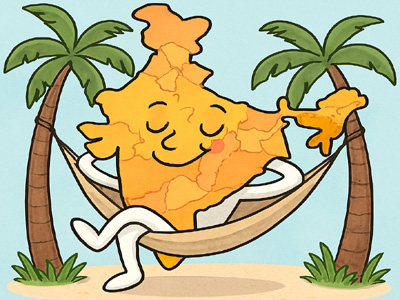
Last week, during my morning walk, I suddenly ran into Bhatia ji. Age had taken its toll, his gait had slowed to a thoughtful pause, and there was a strange sense of relief in his eyes. As we talked, I learned that after 42 long years, he had finally packed up for good and bid farewell to America. The reason was simple: in his sunset years, the fragrance of his hometown's soil had pulled him back.
"The children are settled in their own cities. My wife has passed away. In that big, impeccably organised mansion-like house in America, there was no one to talk to, no one to ask how I was. There were all the facilities, but no sense of belonging. Health insurance was there, but not health. Loneliness spread into every room. Finally, I decided that life doesn't have to be long; it just has to be worth living. And so I returned to India," Bhatia ji shared.
Read in Hindi: भारत की धीमी रफ्तार में छुपा है सुकून का राज़…!
Indeed, Bhatia is no exception. Thousands of Indians who have settled in the Western world often feel hollow inside, despite all the luxuries and conveniences. Informed people say that out there, there's system, discipline, security, but no warmth in relationships. And as age advances, one realises that a healthy bank balance matters less than having someone who genuinely asks after you.
We often view progress through a Western lens, towers of steel and glass, high-speed life, and constant exhaustion. However, in India, the pace remains moderate. Life moves gently, unhurried. This, in fact, is the truly environmentally friendly, affordable, and sustainable way of living. Here, peace is not a showpiece; it's a daily habit. And often, this quiet comfort becomes the greatest wealth of all.
In the hazy Delhi mornings, sips of roadside tea; in Bengaluru, pre-office khichdi and laughter; shared spaces in Mumbai's locals; the halwai's cart on Agra's street corners, the bhatiyare's tawa-side gossip, these hold a hidden rhythm of ease. No rush, just flow. Life here is not a race; it's walking together.
Abroad, life often gets crushed between work and bills. Here, even a samosa brings a smiling "payment received" chime via UPI. Technology doesn't dominate; it simply helps. The auto driver is digital, yet still human; he'll guide you on the route and ask how you're doing.
The biggest luxury today is time, and in India, some of it is still preserved. Help here isn't the indulgence of the rich; it's the reality of every home. The doorbell rings in the morning, and life awakens: the cook, the washerman, the milkman, the delivery boy, all familiar with your habits, without ever reading a data privacy policy. Work-life balance here doesn't come from podcasts; it comes from these very people.
When it comes to healthcare, yes, hospitals are crowded, there's disorder, but things get done. If the doctor sees you today, the report arrives by evening. Fever rises, and medicine reaches home before it peaks. In many countries, appointments mean weeks of waiting; here, it's mostly the wait for the lift.
India's "leave it to God" system doesn't shout, but it keeps running. "It's a strange kind of efficiency, an apparent chaos that somehow works," says elderly Dr Pradhan.
And society, relationships still exist here. Water comes free in restaurants, and sometimes a smile, too. Neighbourhood doors still recognise faces. Here, people remain connected to people, not just to apps.
Retired banker Prem bhai says, "This comfort isn't just for the wealthy. In India, the middle class can live comfortably if ostentation isn't a priority. With foreign earnings, this place truly feels like paradise."
According to Western world expert Prof Paras Nath Choudhary, "In the West, the middle class is always crushed under insurance, taxes, rents, and education burdens. Here, the same money buys a home, help, comfort, and respect. Driver, cook, delivery, these are luxuries there, but part of life here. This is true equality."
Then there's culture; festivals in India don't stop; they run all year. Diwali or Christmas, homes come alive, and people dance. No appointment needed, just an open door. The West battles loneliness in therapy; India dissolves it in tea, or blows it away in singing kirtans.
Spirituality here isn't a hobby; it's in the air. Varanasi's ghats, Rishikesh mornings, the Himalayas' silence, no password required, just an open heart. Where the West sells mindfulness, India lives it, unknowingly. The Jagan-Mukta couple, who spent a week in Kashmir's beautiful valleys, returned saying, "It was amazing, truly paradise, such variety and charm in our own country!"
India indeed has inequalities. Roads are broken, systems incomplete. But relationships remain connected. And perhaps that's the biggest thing. When life can flow so humanely, so effortlessly, why buy it under shiny roofs and fat salaries?
India is still that place where everyday life turns into luxury on its own. And if you have a bit of foreign money, forgive me, you're a king. Because here, true comfort isn't what shows; it's what you never have to worry about.
Related Items
Six years later, that terrifying night still haunts us…
India’s Curious Double Life; Clouds, Computers and the Sacred Fire…
UPI completes 10-years of Digital Payments Revolution