Washington: For decades, couples in which a wife had more education than her husband faced a higher risk of divorce than those in which a husband had more education, but a new study finds this is no longer the case.
Read More





Washington: For decades, couples in which a wife had more education than her husband faced a higher risk of divorce than those in which a husband had more education, but a new study finds this is no longer the case.
Read More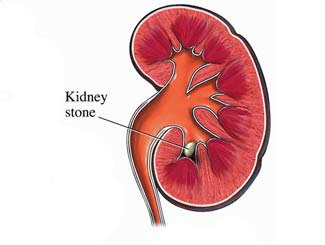
Washington: As daily temperatures increase, so does the number of patients seeking treatment for kidney stones. In a study that may both reflect and foretell a warming planet’s impact on human health.
Read More
Chicago: An interesting social paradox plays out every morning around the world as millions of people board commuter trains and buses: Human beings are one of the most social species on the planet, yet when in close proximity with one another–sitting inches away on a train.
Read More
Maywood: Omega-3 fish oil might help protect against alcohol-related neurodamage and the risk of eventual dementia, according to a study published in the journal PLOS ONE.
Read More
Stonybrook: The facts couldn’t be clearer: Car accidents are the number-one cause of accidental deaths in children ages 0-19 nationally. The AAA auto club says the 100 days of summer are the deadliest for teenage drivers and their teen passengers.
Read More
Washington: Modern office workers are expected to multitask regularly, often juggling multiple projects and priorities over the course of a day.
Read More
Ann arbor: Dating during the teen years takes a violent turn for nearly 1 in 6 young people, a new study finds, with both genders reporting acts like punching pulling hair, shoving and throwing things.
Read More
New York: While cigarette use is declining precipitously among youth, evidence indicates that American adolescents are turning to ethnically-linked alternative tobacco products, such as hookahs, cigars, and various smokeless tobacco products, according to a recent report from the Centers for Disease Control and Prevention.
Read More
Stony Brook: Do you jump to help the less fortunate, cry during sad movie scenes, or tweet and post the latest topics and photos that excite or move you? If yes, you may be among the 20 percent of our population that is genetically pre-disposed to empathy, according to Stony Brook University psychologists Arthur and Elaine Aron.
Read More
Washington: Consumption of three to six alcoholic drinks per week is associated with a small increase in the risk of breast cancer, and consumption in both earlier and later adult life is also associated with an increased risk, according to a study in the November two issue of JAMA.
Read More