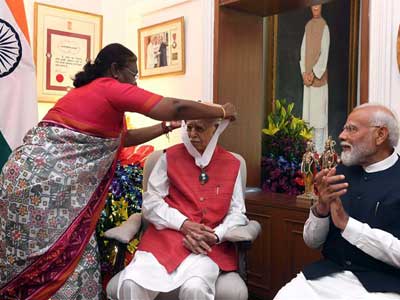
The power of friendship gets stronger with age and may even be more important than family relationships, indicates new research by a Michigan State University scholar.
Read More




The power of friendship gets stronger with age and may even be more important than family relationships, indicates new research by a Michigan State University scholar.
Read More
People who attend services at a church, synagogue, temple or mosque are less stressed and live longer, according to new research from Vanderbilt University.
Read More
In Greek mythology, Narcissus was a gorgeous hunter, born of a river god and a nymph. However, he was prideful and too caught up in his looks. One day while hunting, a nymph named Echo was enamored with him and approached him, but Narcissus rudely pushed her away.
Read More
Consider these scenarios. You’re focused on an important project at work and your phone rings. It’s your spouse.
Read More
Neighborhoods with greater poverty and disorganization may play a greater role in problem drinking than the availability of bars and stores that sell hard liquor, a University of Washington-led study has found.
Read More
This spring, more than 17,000 high school seniors (out of 102,000 applicants), were offered admission to UCLA for the fall of 2017. For these young men and women who beat those odds, along with their college-admitted cohorts around the country, it was no doubt a giddy moment, the first time leaving home, the first step toward independence and their future.
Read More
Pet dogs provide valuable social support for kids when they’re stressed, according to a study by researchers from the University of Florida, who were among the first to document stress-buffering effects of pets for children.
Read More
Be skeptical of ads declaring you can rev up your brain’s performance by challenging it with products from the growing brain-training industry.
Read More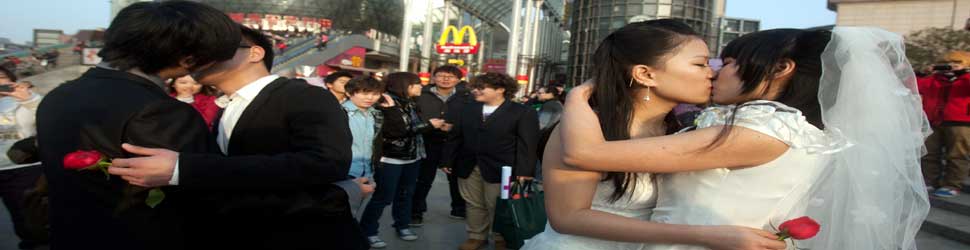
Same-sex marriage has been the law of the land for nearly two years — and in some states for even longer — but researchers can already detect positive health outcomes among couples who have tied the knot, a University of Washington study finds.
Read More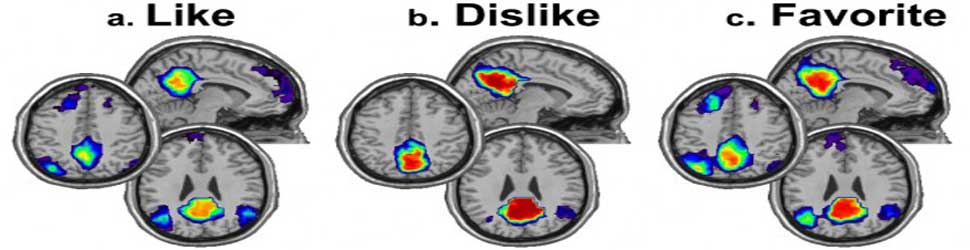
It doesn’t matter if it’s Bach, the Beatles, Brad Paisley or Bruno Mars. Your favorite music likely triggers a similar type of activity in your brain as other people’s favorites do in theirs.
Read More