
 Brij Khandelwal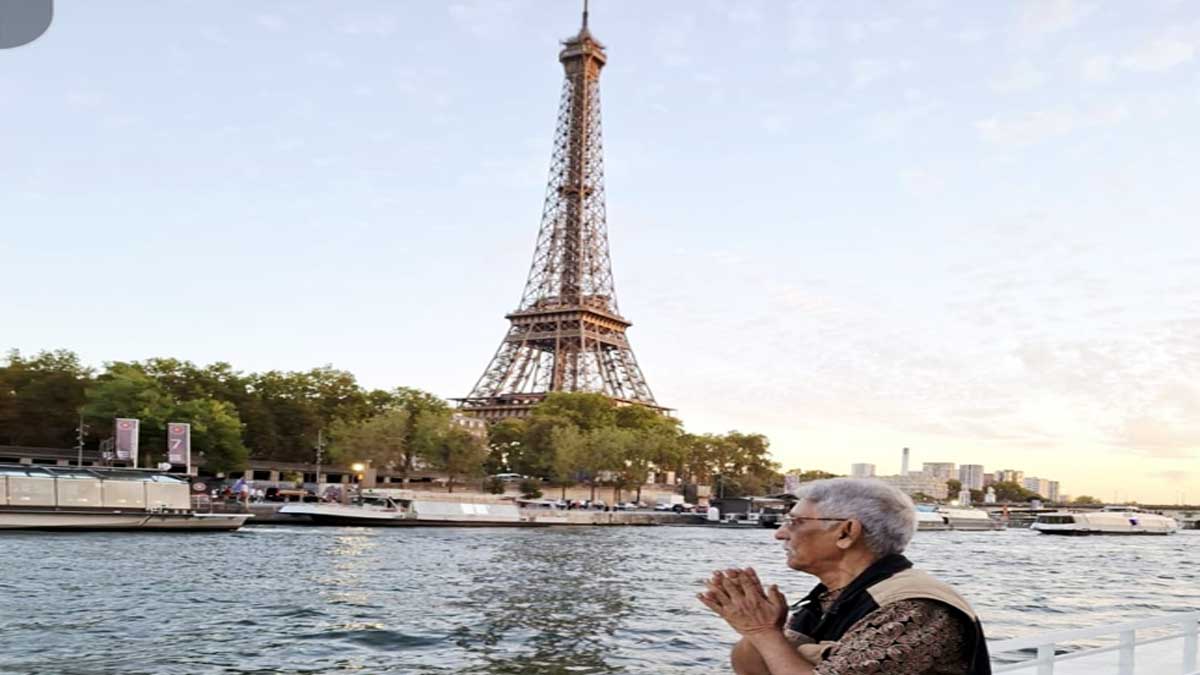
Paris did not simply welcome us. It put us through a little entrance exam, complete with cultural jet lag, linguistic curveballs, and a sudden realisation that the traffic rules here appear to have been designed by someone who once lost a bet with chaos.
The moment we arrived from London, everything felt different: the language, which insisted on being French; the houses, which looked as if they had been assembled by an elegant committee; the people, who somehow managed to look stylish even while complaining; the traffic, a competitive sport; and even the weather, which had clearly not consulted the London forecast. It was less a change of city and more a full systems upgrade: landscape, language, culture, and the quiet suspicion that one’s previous life had been rather provincial.
Also read: पेरिस में पैरों की बगावत और ‘2026 का हैंडबैग थ्रिलर’
And then there was the Eurostar. The train vanishing beneath the English Channel remains one of life’s more civilised conjuring tricks. Sitting comfortably while the sea rolled somewhere above us, we found ourselves asking the only sensible question: why fly over the Channel when you can discreetly sneak underneath it like a very well-dressed mole? No turbulence, no plastic sandwiches at 30,000 feet, just the quiet satisfaction of outwitting geography.
Our Paris days were packed with the usual suspects, and then some. The Seine cruise was a highlight: the boat drifted along as if the city itself had decided to stage a moving postcard purely for our benefit. Buildings glided past with the languid confidence of things that know they are photogenic.
Then came the Eiffel Tower at night. When it began its hourly shimmer against the dark Paris sky, five minutes of pure theatrical sparkle, as reliable as a Swiss watch and twice as showy, everyone reached for their phones with the urgency of people documenting a minor miracle. The chilly breeze tried its best to dampen the mood. It failed spectacularly. For once, nobody muttered about excessive mobile use. We were all too busy proving that the Iron Lady still knows how to work a room.
Versailles delivered the expected grandeur of another age, the kind of place that makes you understand why revolutions occasionally feel inevitable. The museums opened their windows onto history and art with the slightly superior air of institutions that have seen it all before. And Disneyland? That reminded us that even grown-ups will temporarily abandon dignity when offered the right excuse and a sufficiently large queue. But there was one small, persistent problem.
We walked. And walked. And walked some more. Our daily average cheerfully sailed past 10,000 steps. By evening our feet were no longer complaining; they were drafting formal petitions for diplomatic immunity and demanding hazard pay. The group remained generally delighted with Paris, though several members admitted that the walking had been… educational. Comfortable bus rides between stops became the closest thing we had to a truce with our lower extremities.
Food, mercifully, never became a crisis. As vegetarians, we braced for the usual European negotiations involving “just a little bit of meat, perhaps?” Instead, we discovered that Paris, in a rare moment of practical generosity, offers perfectly good Indian vegetarian food. One evening, after a glass of champagne had softened the edges of the day, we sat down to a sumptuous dinner at Shivam Restaurant, run by an enterprising Punjabi from Jullundhar. For a few blessed hours Paris politely stepped aside and Punjab arrived on the plates, complete with the comforting certainty that someone in the kitchen understood the sacred difference between actual vegetables and decorative afterthoughts.
Martha, as usual, proved indispensable: understanding, cheerful, and permanently stocked with useful information and the right sort of encouragement. Our guide Magdaline added local colour and the kind of details that turn a sightseeing schedule into something resembling a story.
Then the real drama began, the moment we reached the hotel. Padmini delivered the kind of announcement that can transform a cheerful tourist group into an emergency management committee in approximately five seconds. “I have lost my handbag.” The handbag contained her mobile phone. And, far more alarmingly, her passport.
Money? Replaceable. The phone? A temporary inconvenience. But the passport? That was the sort of loss that invites visions of international bureaucracy, long queues, and the possibility of becoming a permanent resident of the hotel lobby.
Suggestions flew. Call the police. Retrace every step of the day. Search the Seine, one particularly dramatic voice. A few quieter, wiser souls offered the radical advice: “Perhaps… check the hotel room first?”
I began making calls and sketching contingency plans that grew more elaborate by the minute. Martha disappeared into the Parisian night to scour the immediate vicinity. The lobby briefly resembled a United Nations crisis room, only with more luggage and less coffee.
Then Padmini came running back. “I found it!” The handbag had been sitting quietly in the room the entire time, modestly concealed under a pile of clothes that had apparently decided this was an excellent moment for a game of hide-and-seek.
The relief was instantaneous and slightly ridiculous. A crisis that had seemed to require police involvement, diplomatic cables, and possibly a small international incident had been resolved by the simple act of moving laundry. The lost battle was won by a folded sweater. And just like that, Paris looked beautiful again.
Looking back, the Paris chapter contained nearly everything one could ask for: the quiet romance of the Seine, the glittering Eiffel Tower performing its hourly party trick, the over-the-top grandeur of Versailles, museums heavy with history, Disneyland’s temporary licence for childishness, merciful bus rides, excellent Indian vegetarian food courtesy of a Punjabi entrepreneur, and, of course, the short but intense Handbag Thriller of 2026.
The French gave us art, history and architecture. Paris gave us 10,000 steps a day and the firm conviction that our feet would never fully forgive us. And Padmini gave us the trip’s finest suspense story.
Moral of the Paris story: Enjoy the Eiffel Tower’s sparkle, float along the Seine, marvel at Versailles, eat well, and walk until your feet stage a quiet revolution. But before you summon the police, the embassy, or the United Nations, check under the clothes in the hotel room.
Related Items
Saffron in the air: 2026 Politics tilting the wind?
How Diwali included in UNESCO's Intangible Cultural Heritage list...
India stuck in traffic; Cities halt, Horns holler, and time takes a nap